

Large firms remain important, but they must sit alongside a dense ecosystem of agile domestic companies that solve niche technical problems, and scale into trusted suppliers at home and abroad.
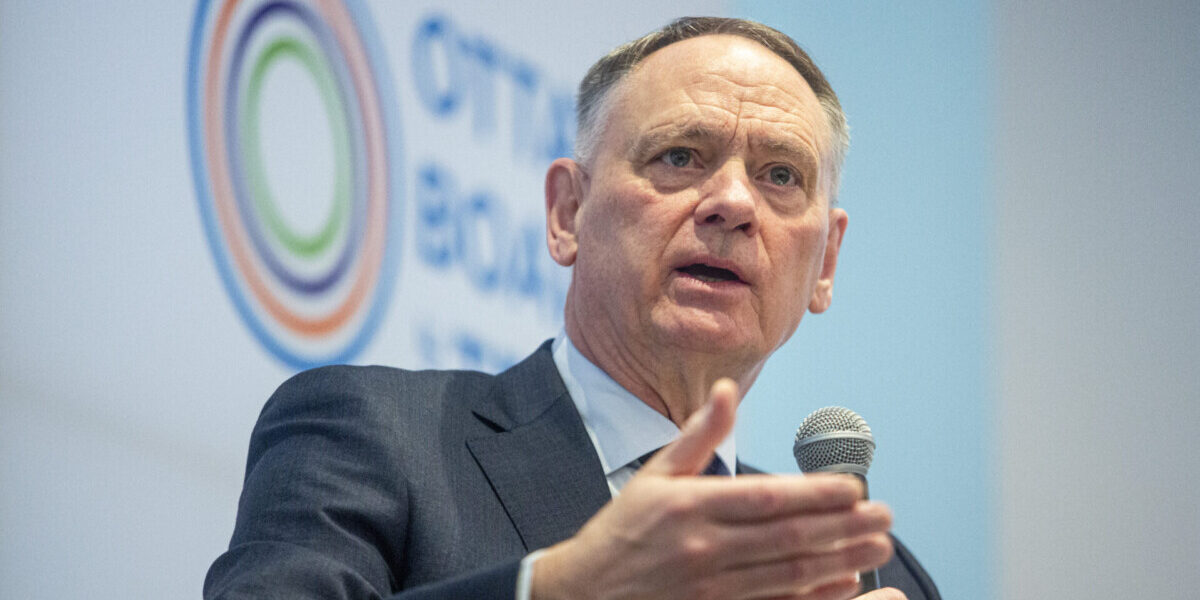
Legitimacy and trust of Canadians in the country’s foreign policy is at the centre of the need to release a plan, say observers.
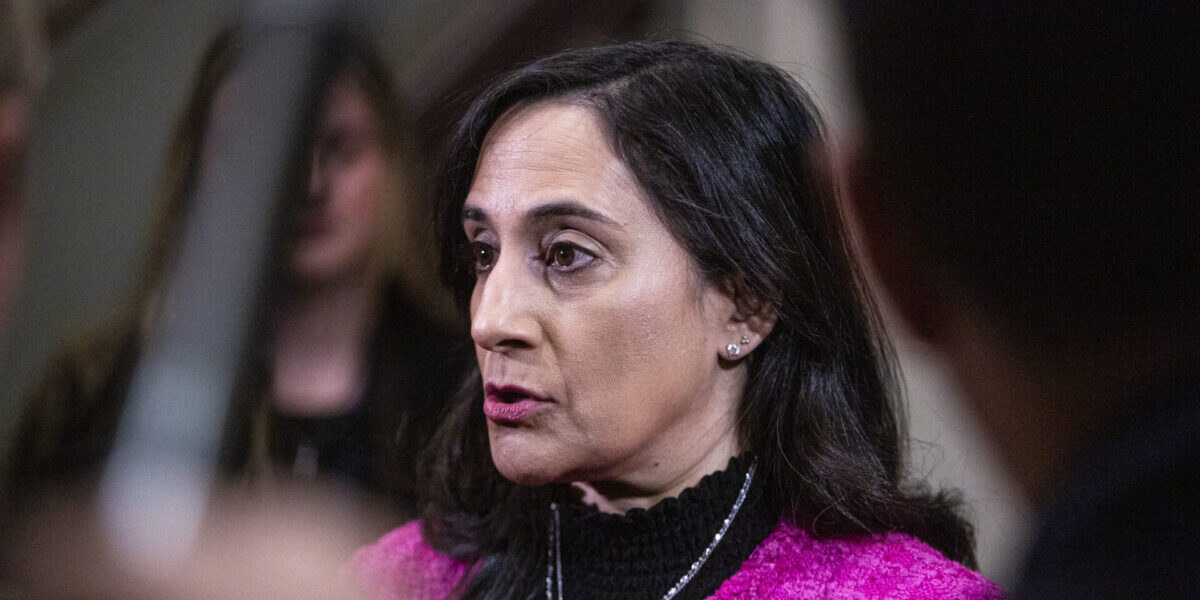
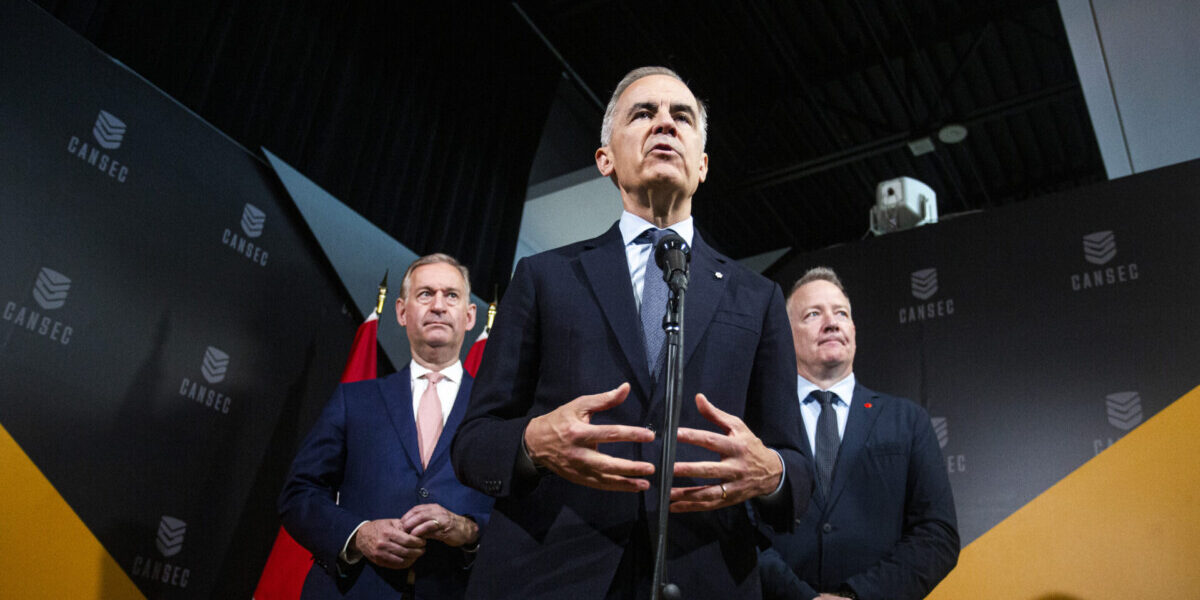
Defence Minister David McGuinty did not mention U.S. President Donald Trump or the United States in his speech to defence manufacturers in Ottawa, but later told reporters that Canada has a ‘productive’ relationship with the U.S. and that it will continue.

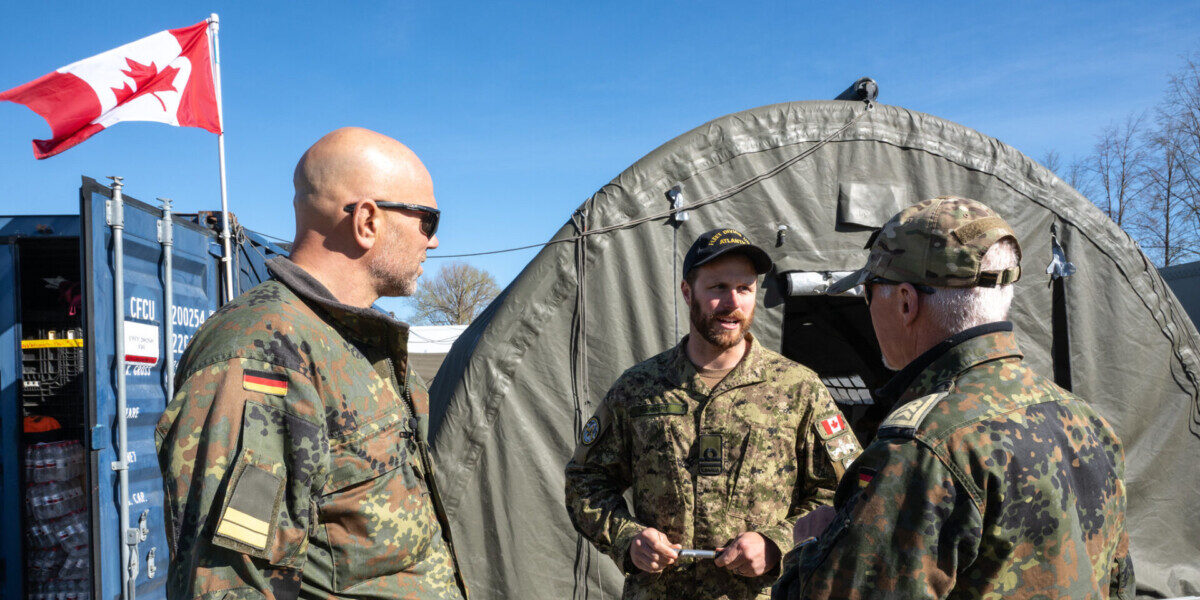
If the prime minister is serious, we should base one of the Army’s new divisions in a central European country on a permanent basis.
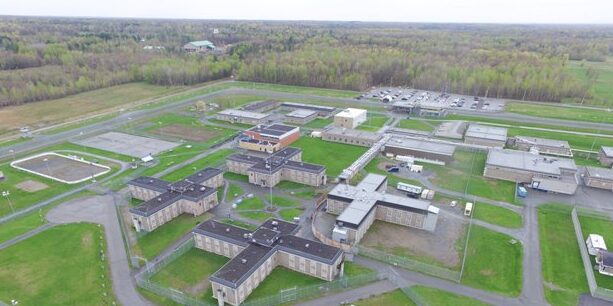
The decision to scrap the CÉGEP program is wrongheaded. Many prisoners say higher learning changed the way they saw society, and helped them understand how to contribute after serving their sentences, writes Senator Bernadette Clement.
Ukraine’s experience, earned at a terrible cost, will allow us to cut right to the front of the line in a vital new realm of military conflict. But this is only going to work if we get the basic stuff right.
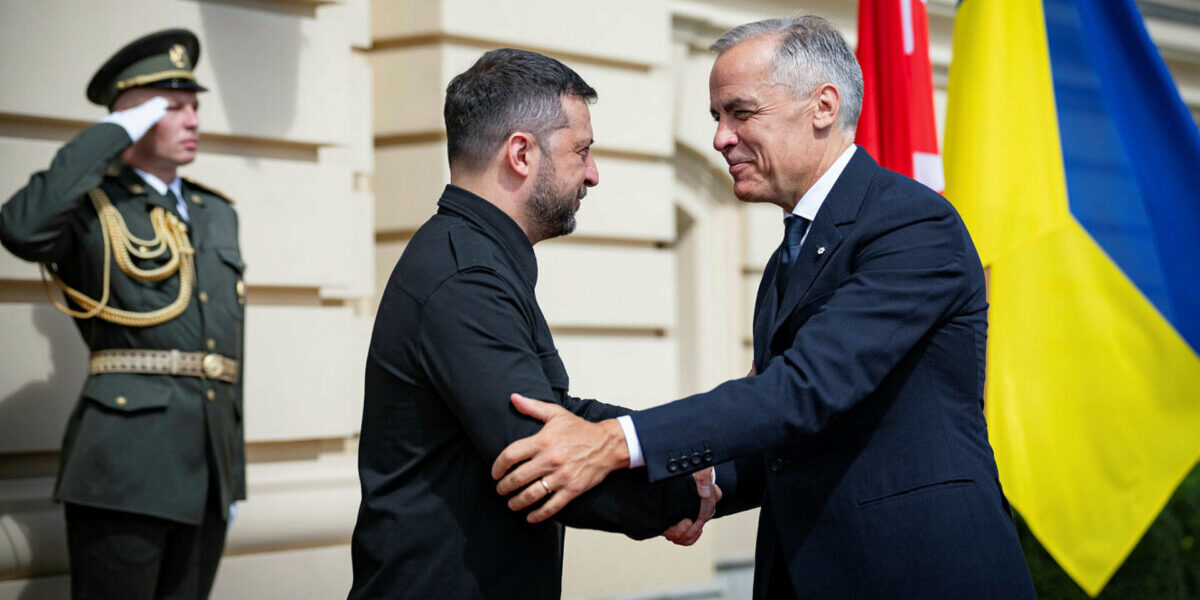
For Canada—and the CAF—to survive the current trade war, doing the same old thing with the same old U.S. firms just isn’t cricket. And if senior officers don’t understand that is part of their duty to all Canadians, well, enjoy the lecture circuit.
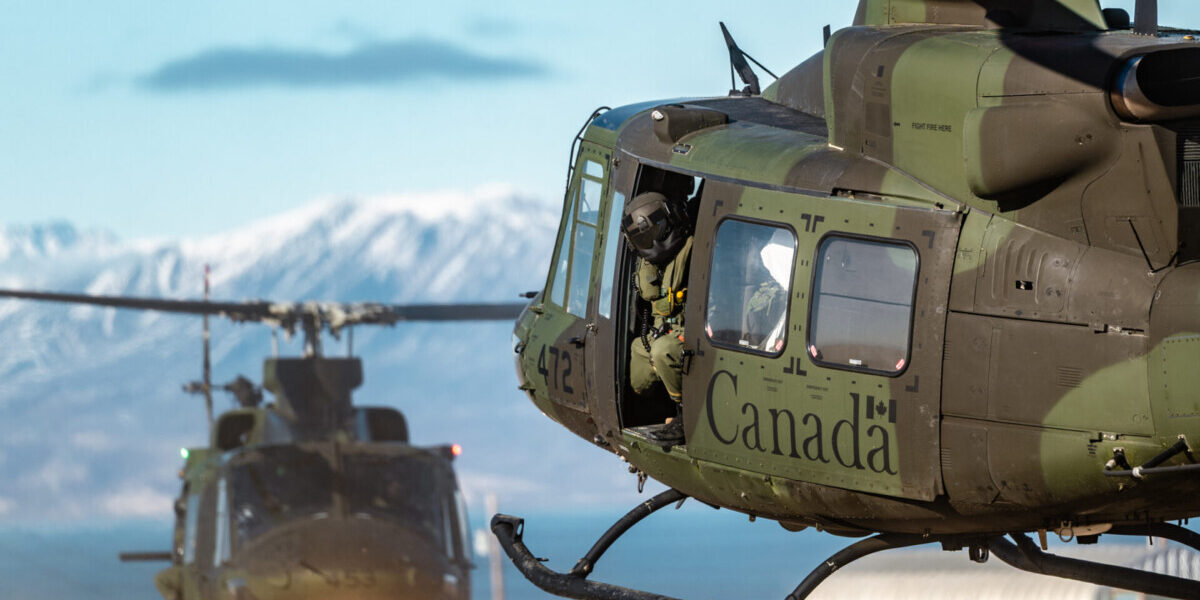
We have the opportunity and the urgent need to work together to solve problems: by volunteering, sharing, participating in our democracy, supporting the environment, building our economy through the value and impact of volunteer service. We must put aside differences and work together.

Work-Sharing applications are taking an average of six business days to process, while frontline workers and unions warn that maintaining service levels will depend on staffing capacity.
The Americans bragged they’ve launched ‘space-control weapons.’ While high ground has always been an advantage in land warfare, that is not necessarily the same for space, which lacks key targets.
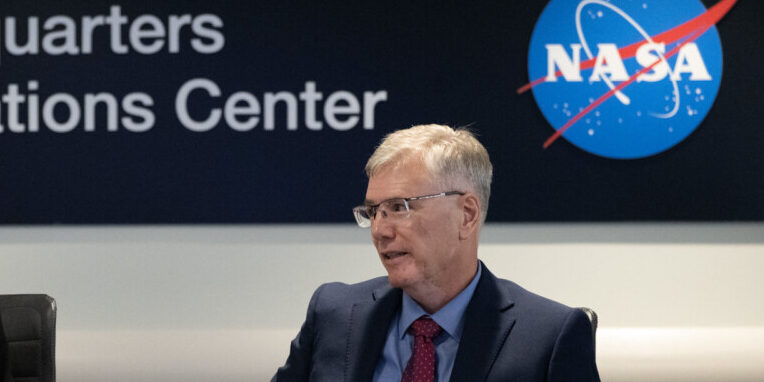
Canada can help by continuing to demonstrate solid and unwavering support for Ukraine, and by working much harder with our allies to build on Ukraine’s battlefield successes.
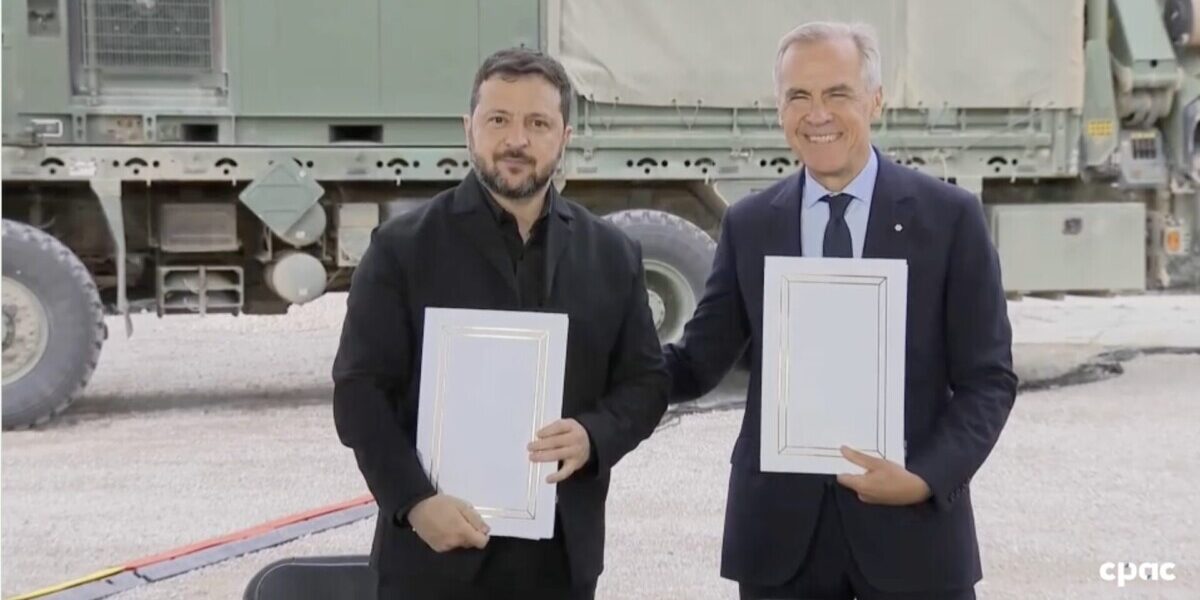
The fact that we have grown collectively numb to Donald Trump’s unpresidential antics should not excuse inaction on the part of our elected leaders.
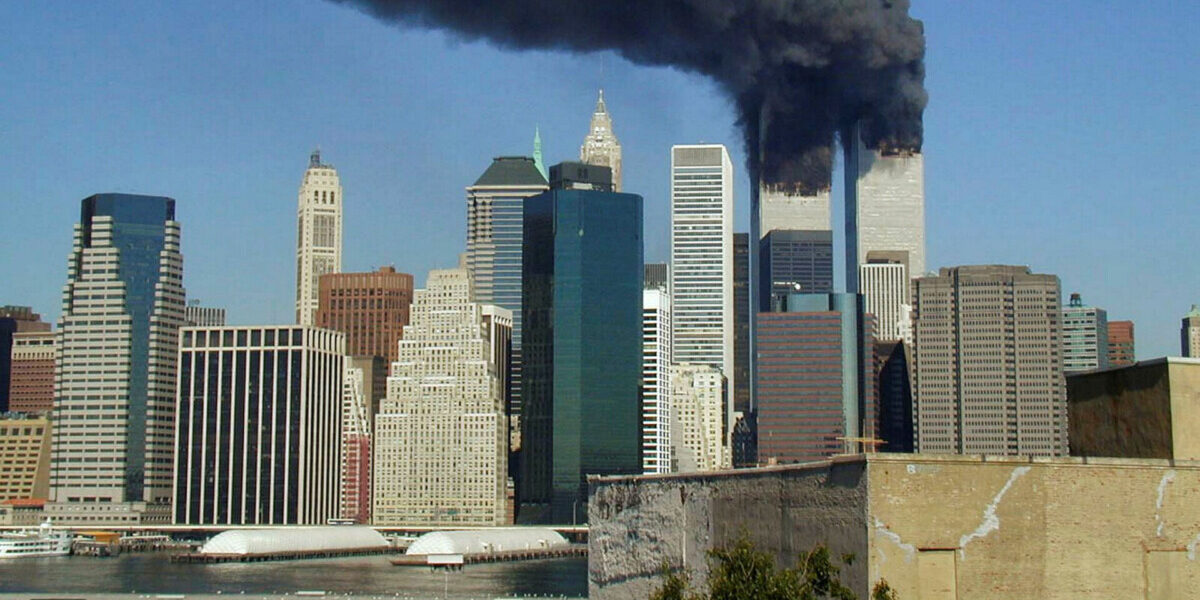
The lesson of 9/11 was not merely that terrorism could reach North America. It was that complacency carries a cost. Twenty-five years later, Canada faces a wider array of threats, from jihadi terrorism and foreign interference to transnational repression and state-sponsored violence. Yet, we still lack the national-security culture needed to confront them.
Part of that change means challenging the idea that resilience is measured by how much someone can carry on their own.
In 2024, Canada announced that it would procure a submarine fleet with ‘under-ice’ capabilities, but Arctic experts say they believe the vessels will actually be operating in the near-ice or ice-edge waters.

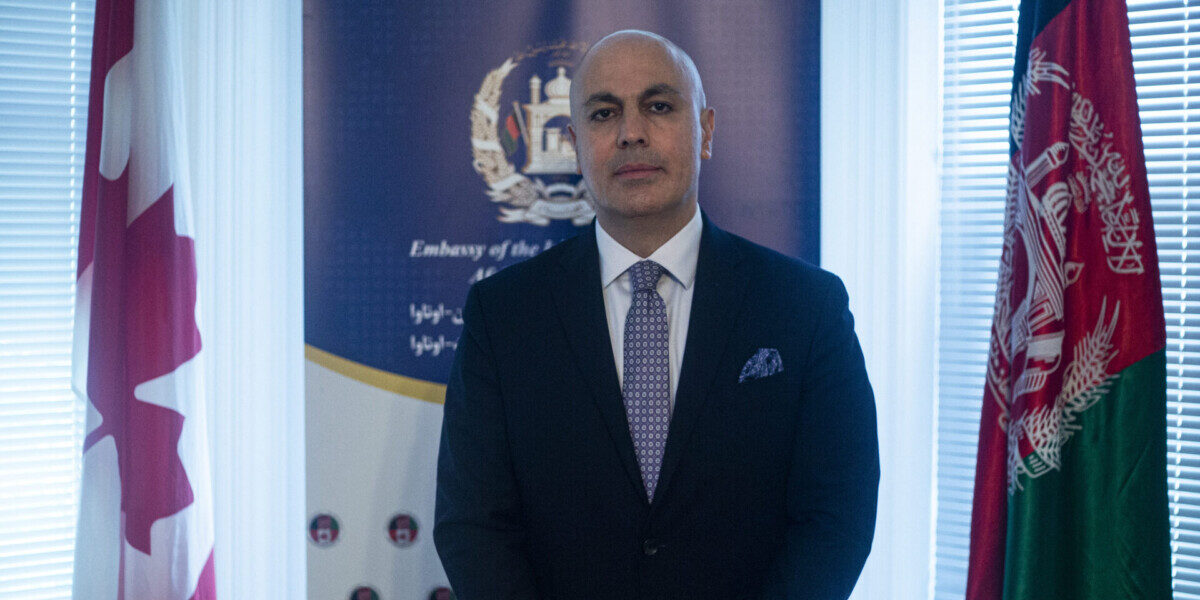
With the number of Afghan missions of the former government dwindling, its Canadian embassy—with no ties to Afghanistan’s current Taliban-led regime—hangs on.
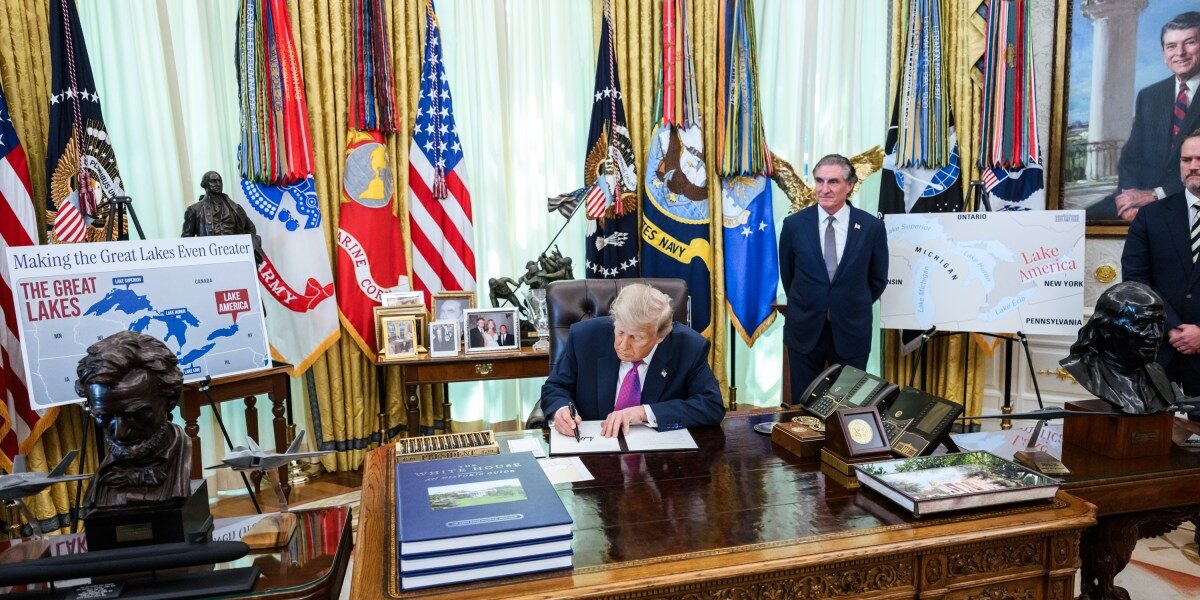
The U.S. president is not only trying to claim the name of Lake Ontario for America, but also ‘most of the lake’s volume,’ which should spur Canada to ‘step up’ on its national water strategy, say experts.
‘You can only bypass [the bureaucracy] so much. You need to change the way it works if you really want to make really substantial reform,’ says David Perry.
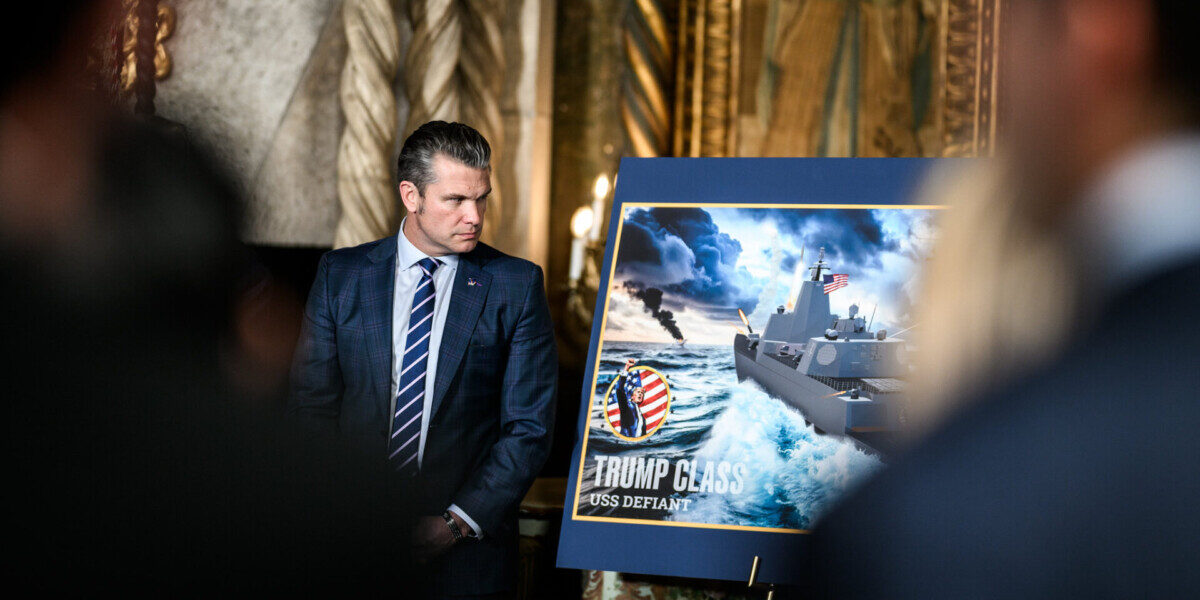
With ingratitude of this magnitude, is it any wonder that no NATO ally has chosen to join in on the American ‘excursion’ in Iran?
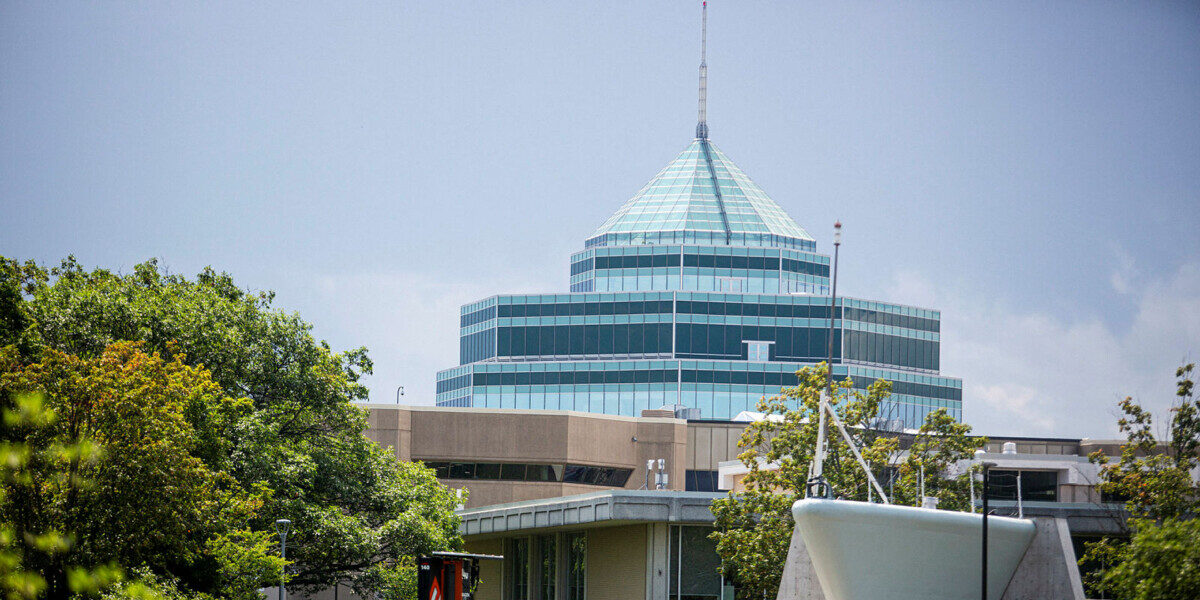
The union representing National Defence staff says mould remediation has either taken place or is underway in three buildings, and calls for a campus-wide assessment of humidity, moisture, and indoor-air-quality problems dating back to at least 2018.
For many reasons, DND’s plan to remove Canadian peacekeepers is short-sighted and counterproductive. In the current political climate, now is the time to expand UN peacekeeping globally and Canada should champion that resurgence.

There’s ‘inherent risk’ in operating in the North, and the fixed-price contracting approach favoured by the feds ‘tries to pretend that that risk isn’t there,’ says adviser Jake Kennedy.
Despite advances in technology and intelligence, border security still relies heavily on more officers, inspections and physical infrastructure. Those investments cannot keep pace with the complexity of modern trade.

It ‘is a bit of a political problem’ for the government to try to reconcile its Buy Canadian policy and the existing relationship with the Americans, says former defence minister Peter MacKay.

Let’s truly stop buying weapon systems from the one and only country that repeatedly threatens us with annexation.
