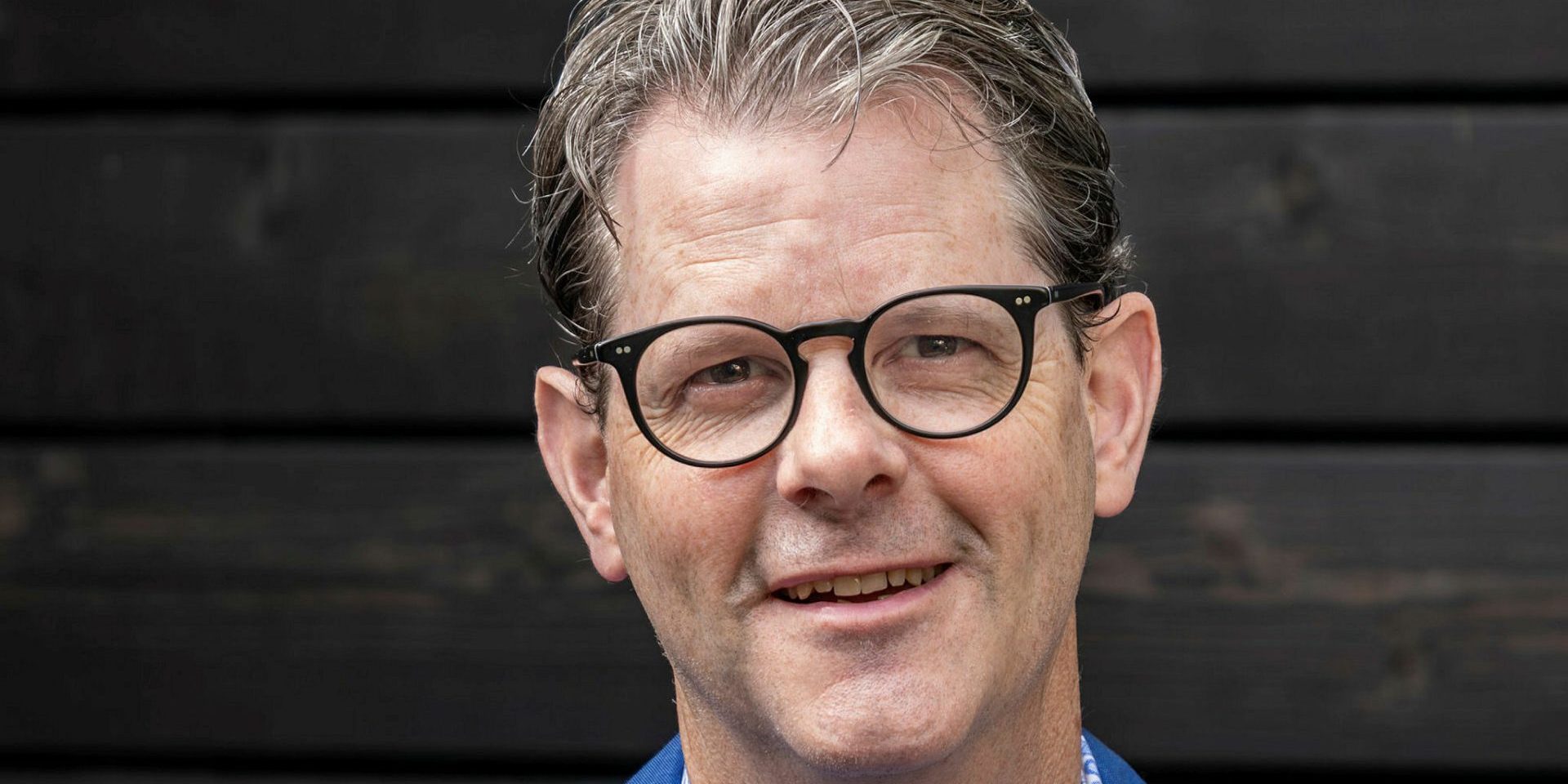
In an excerpt from his forthcoming memoirs, former CBC/Radio-Canada president Tony Manera recounts his experience at the public broadcaster ahead of the 1995 Quebec referendum.

TSN reporter Rick Westhead’s book, We Breed Lions, is a must-read for parliamentarians, hockey players, parents, coaches, and officials. Perhaps the House Canadian Heritage Committee should ask Westhead, who triggered its study into safe sport, to present what he has discovered through his dogged investigation.

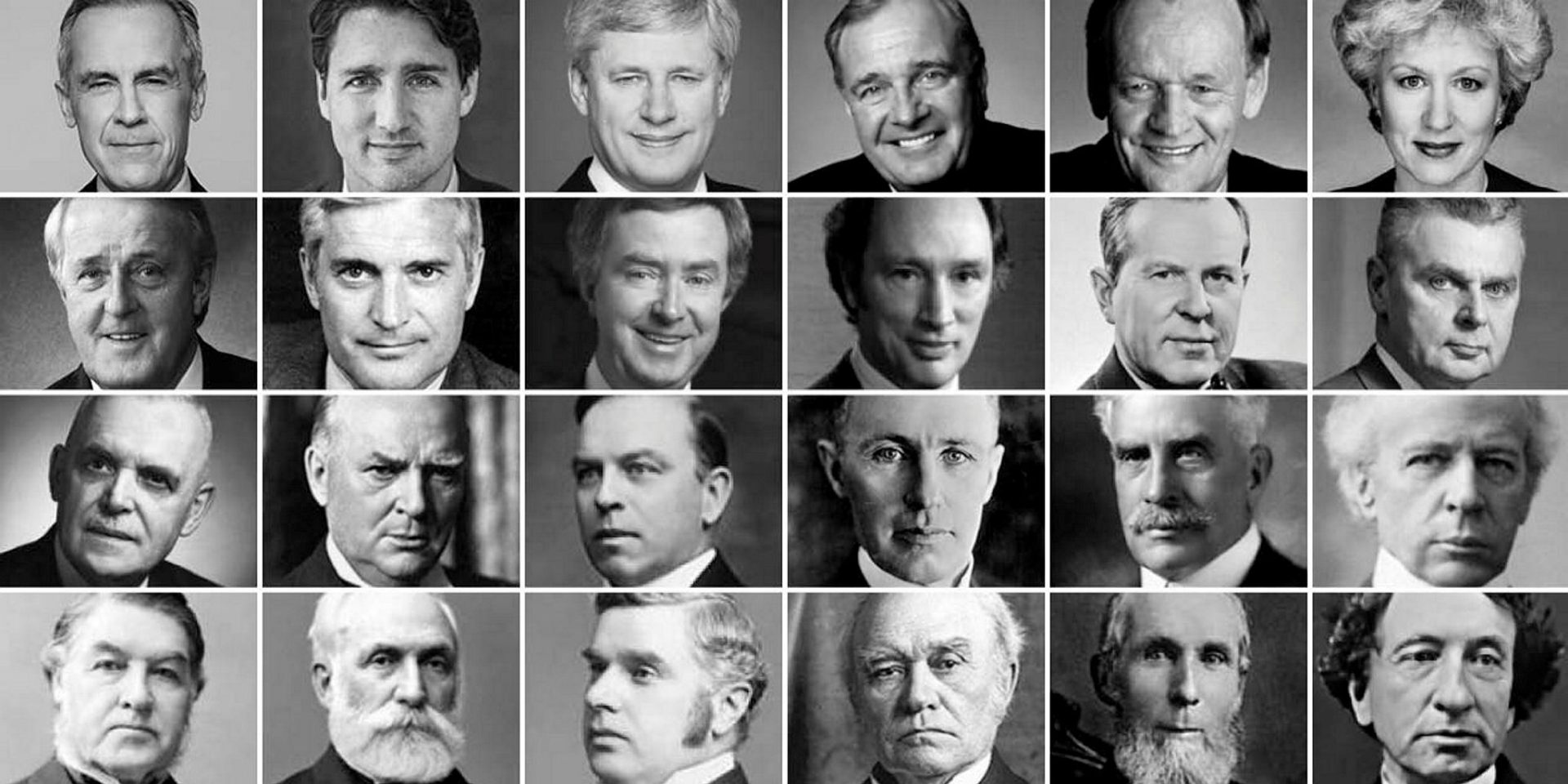
Learning and understanding Canada’s political history is ‘part of being an informed and civic minded citizen,’ says author and historian J.D.M. Stewart of his new book, The Prime Ministers: Canada’s Leaders and the Nation They Shaped.
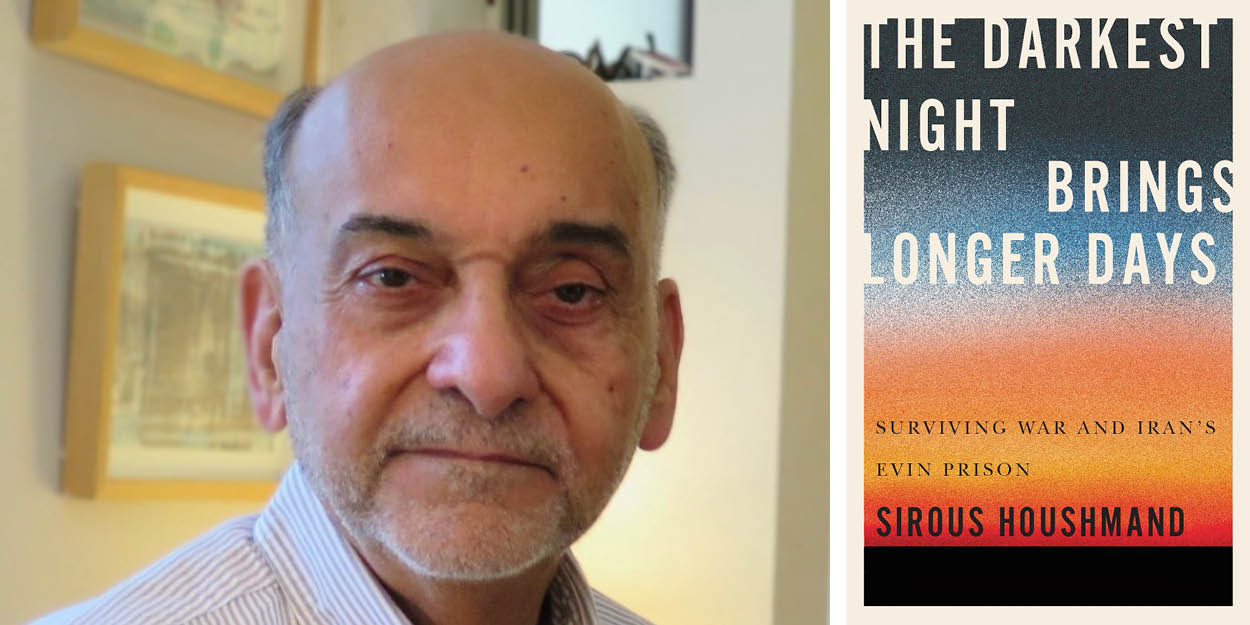
‘If you have a purpose, then you become resilient. Then you want to fight for something. But if you don’t have a purpose … I have seen people in isolation lose their mind because they just didn’t want to be there and didn’t know why they were there,’ says Sirous Houshmand, author of The Darkest Night Brings Longer Days.
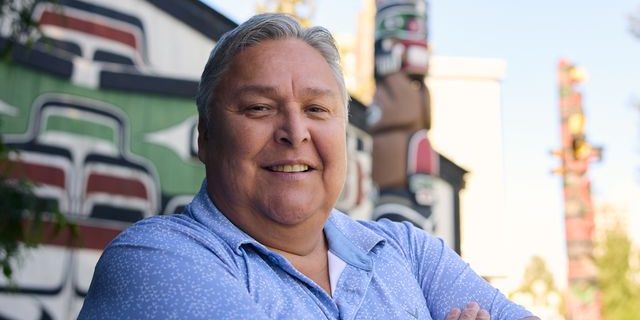
In his book, 21 Things You Need to Know About Indigenous Self-Government, Bob Joseph breaks down many assumptions about the Indian Act and easily relating how this alternative can be used to circumvent this antiquated legislation.
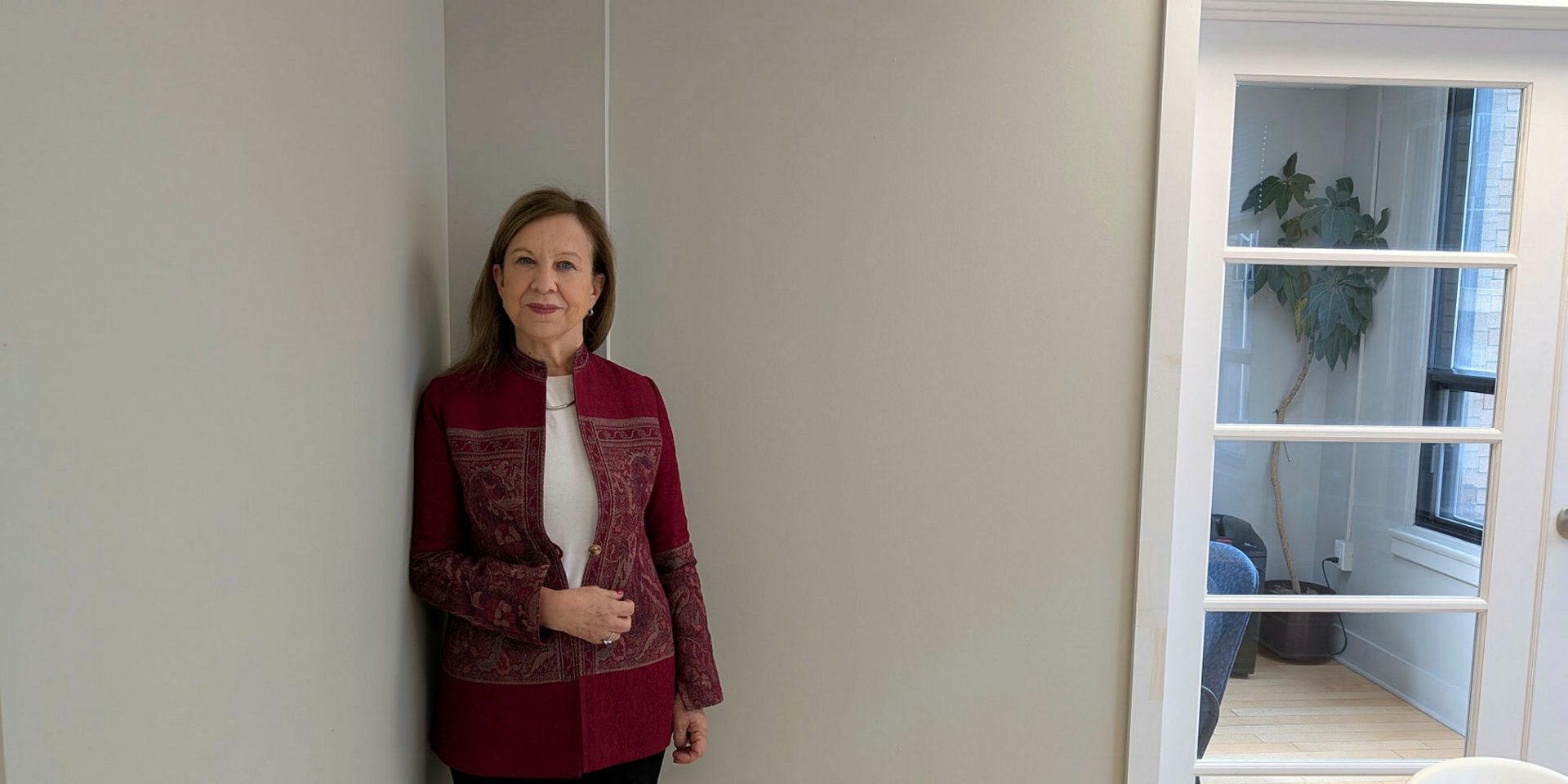
BBC News’ chief international correspondent Lyse Doucet’s book presents the stories of Afghans working in Kabul’s first luxury hotel throughout decades of war.
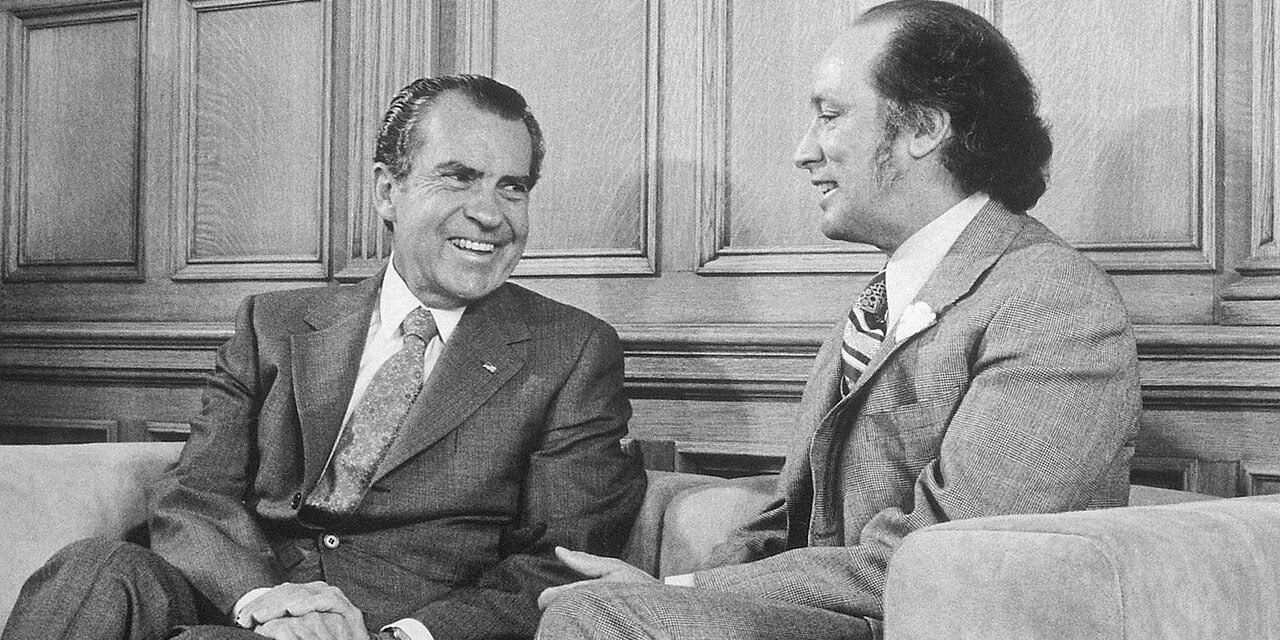
This is a previously unseen view of Pierre Trudeau, one that is sure to alter your opinions of him. It is an unvarnished look inside the government that brought you wage and price controls, the Charter of Rights, and the National Energy Program. And it is a darkly moving account of the life of a senior political staffer.
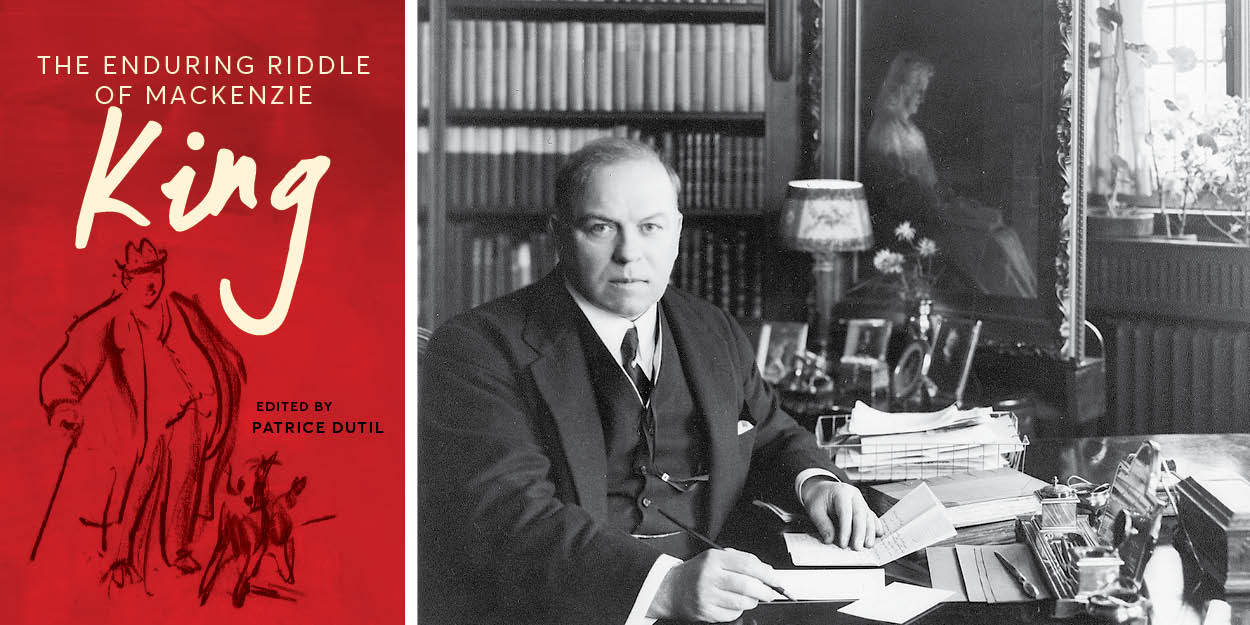
Editor Patrice Dutil’s collection of essays in ‘The Enduring Riddle of Mackenzie King’ dives into the former prime minister’s personality, relationship with society, and policies—and why Canadian politicians ‘need to re-learn King’s statecraft.’
Andrew Coyne is right to raise his voice about the crisis of Canada. But the extinction-level political disaster he’s so worried about hasn’t happened over the span of this country’s ungainly, unworkable existence. Which means that Coyne could be right tomorrow, but so far has been wrong for the past 158 years.
In Universal: Renewing Human Rights in a Fractured World, Alex Neve looks into why we should be fighting to preserve our universal human rights. ‘In a world permeated with crises many of which come right to our front door, that surely must mean going further, even when it takes us beyond our comfort zone.’
Marsha Lederman’s October 7th is a book that comes out of the Hamas attacks on Israel and Israel’s military response, but it’s not an account of the war in Gaza or how it is playing out in Israeli politics or in the Arab world. It is about how the conflict is being felt here in Canada, culturally.
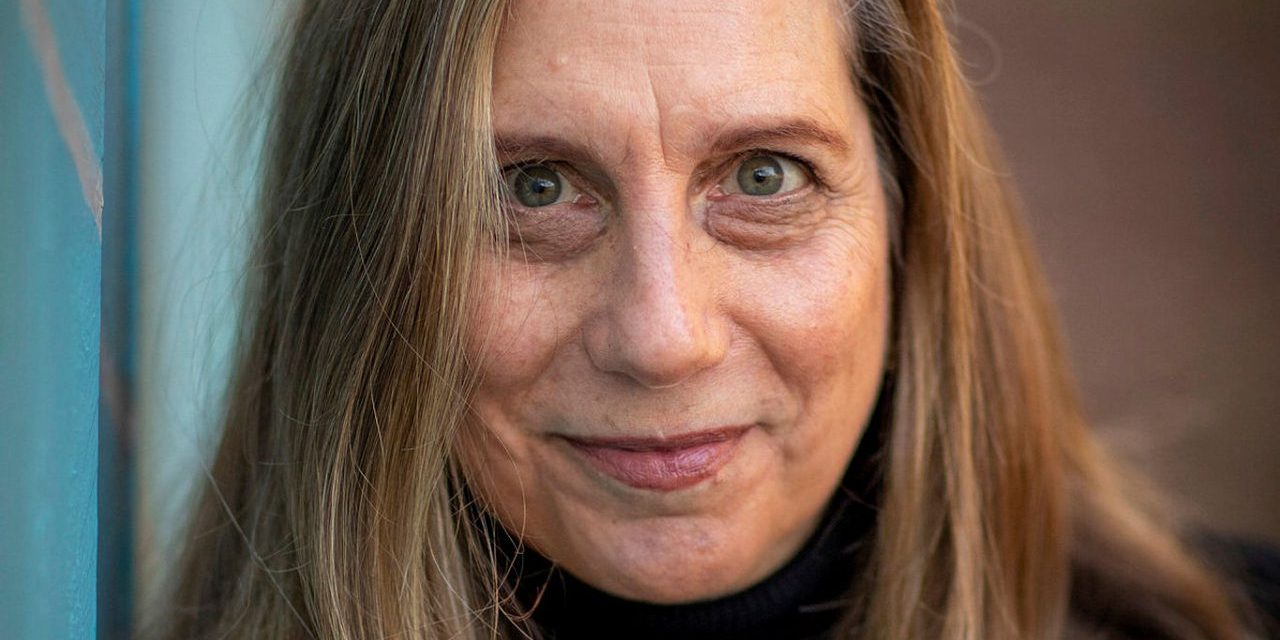
The narratives of nation building have always been aspirational, and for a country that holds itself to be just and tolerant, Canada’s past and present are rife with injustices and intolerances. Amid the prosperity, there remains poverty. Alongside compassion there is an ineradicable strain of selfishness. The project that is Canada is not yet finished. Long may it remain a work in progress.
The comedian reflects on his latest book’s inspiration, including Donald Trump, national identity, and the chaos of Canadian politics.

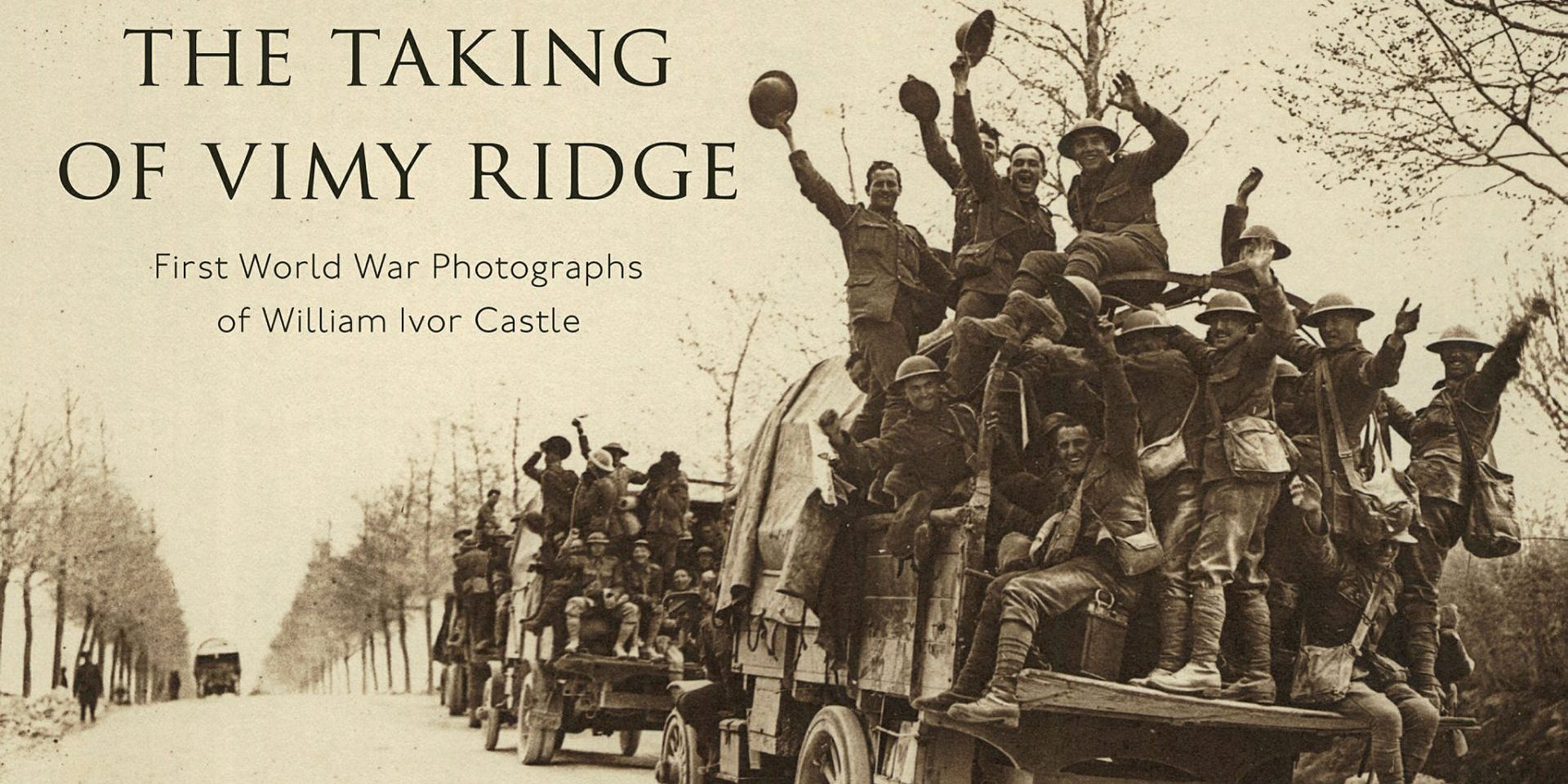
Carla-Jean Stokes’ book about William Ivor Castle’s work tells the stories behind the famous photographer’s First World War photos, including the ones he manipulated.
In the new book No I in Team, political scientist Alex Marland and his co-authors unpack why party discipline has gone too far.
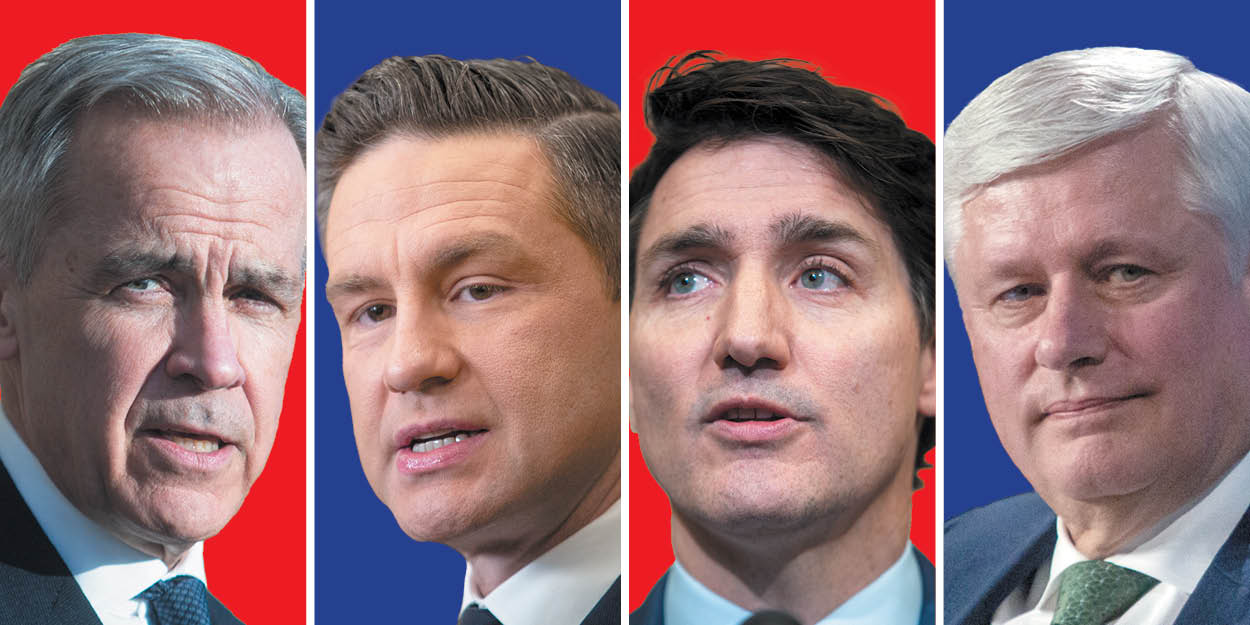
The Canadian prime ministership is an impossible office, demanding that its occupant simultaneously pass three unforgiving tests: political, managerial, and collegial. Fail one and you’re limping. Fail two and you’re finished. Justin Trudeau was wobbling on all three. One wonders how Mark Carney will fare.

Despite our county’s many strengths, our politics suffer from some formidable challenges. The national discourse has become more polarized, divisive, and nastier. Unfortunately, we aren’t alone. Democracies across the globe face similar, even more ominous predicaments.

The $25,000 prize will be handed out on Sept. 24 in Ottawa at the Politics and the Pen event, the annual fundraiser for the Writers’ Trust of Canada.

The reported absence of significant attacks will likely continue to fuel the belief in democratic policy circles that Finland is a shining example other countries should follow in the fight against disinformation. But how practical is the hope that Finland can be a beacon for other democracies? Ecologically speaking, not very.

Munir Sheikh shared his upcoming book’s message and memories of working with now-Prime Minister Mark Carney as bureaucrats at Finance.

Canada has pledged to meet the new NATO target of spending five per cent of GDP on defence.

In his new book, The Crisis of Canadian Democracy, Andrew Coyne unpacks how parties choose their leaders, how the leaders control their MPs, and how the shortcomings in Canada’s electoral system are putting a squeeze on democracy. It’s not pretty.

The following is an excerpt from Hard Lessons in Corporate Governance, by Bryce C. Tingle, shortlisted for this year’s Donner Prize, one of the best public policy books of the year.