The many shades of deterrence in Ukraine
There’s a catch to practising this type of deterrence, however. The West must reciprocate Russia’s drawdown. Deterrence can’t work if the aggressor expects continued punishment even after it acquiesces to demands—under these conditions Russia will have no reason to end the war.
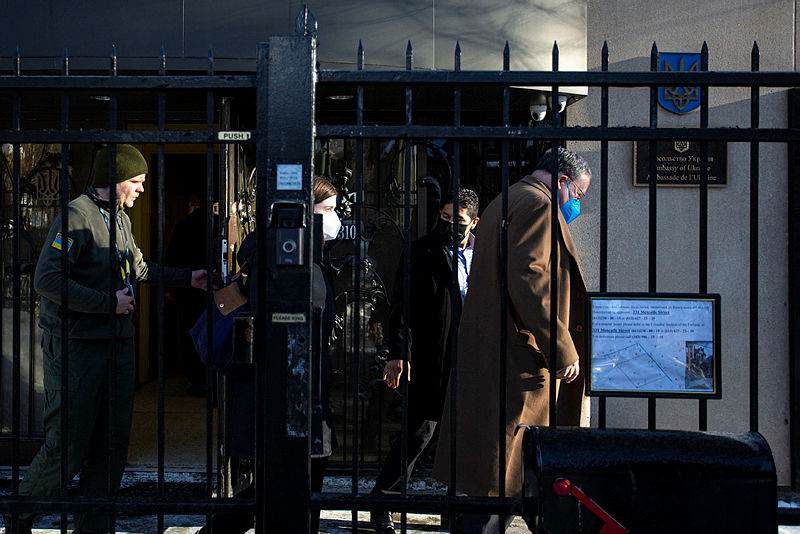
OTTAWA—Deterrence entails the use of threats to manipulate an adversary’s behaviour. The concept has been around a long while. Even the Romans understood that “if you want peace, make ready for war.” In Ukraine, Canada and its allies have been given a crash course on its contemporary applica...
Get Weekend Point of View Newsletter
A round up of the past week’s opinion writers and columnists on Saturdays and Sundays.
By entering your email address you consent to receive email from The Hill Times containing news, analysis, updates and offers. You may unsubscribe at any time. See our privacy policy