

Now that the U.S. president has reimagined Washington’s right to control hemispheric affairs, the next steps with Cuba are a more pressing question than ever.

The astounding story of Jeffrey Epstein’s sex abuses and his vast network of friends and contacts continues to spin off in all directions.

PM Mark Carney’s takedown of the president in the world spotlight, while popular, has added profound new uncertainties to the entire Ottawa-Washington matrix.

Affording a home now is not quite as problematic as it was during the COVID years, but affordability is still the worst it’s been in Canada in 25 years, according to RBC.
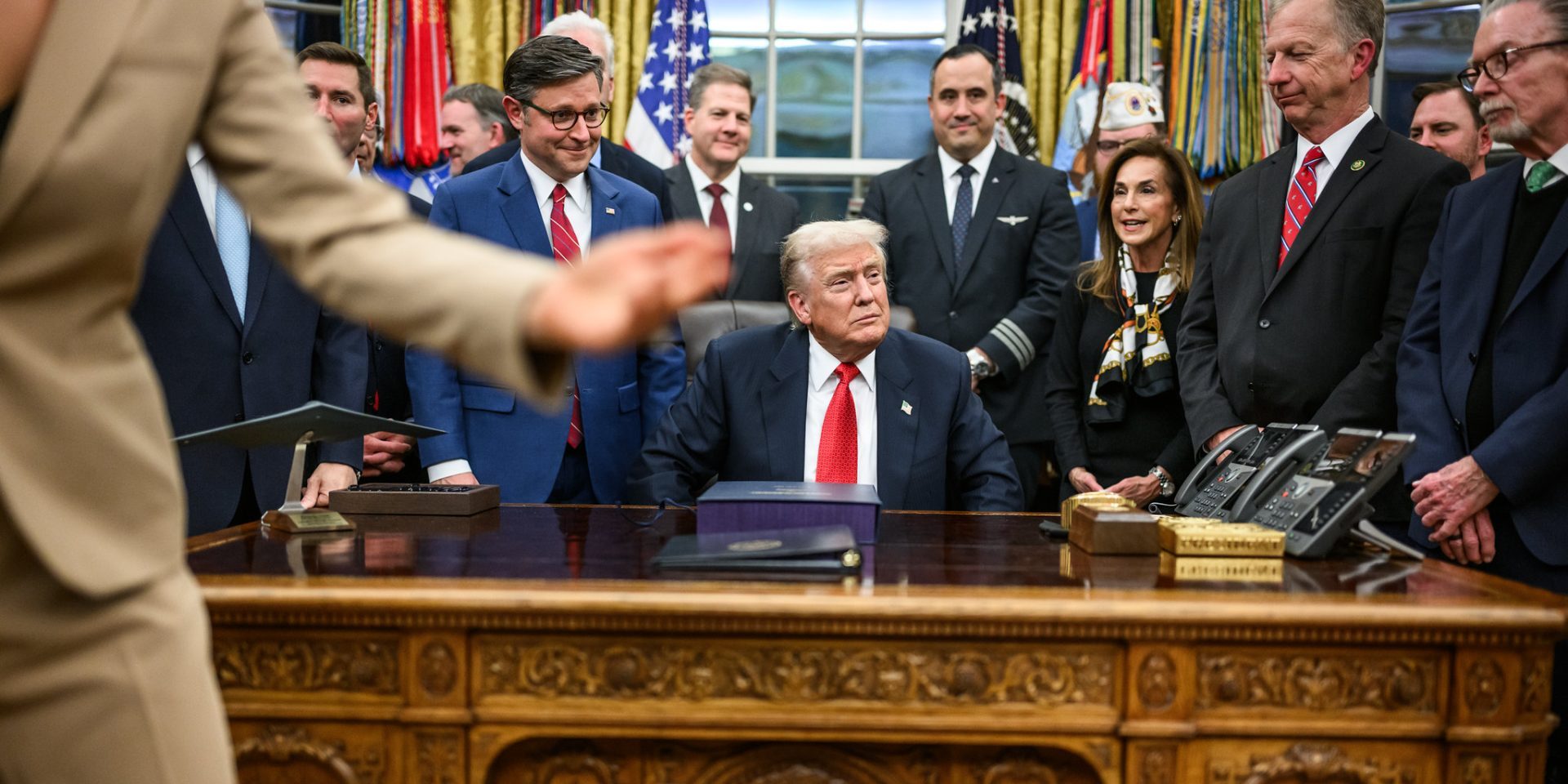
It is clear that the upward pressure on prices exerted by Donald Trump’s tariffs is becoming a political liability for the United States president.
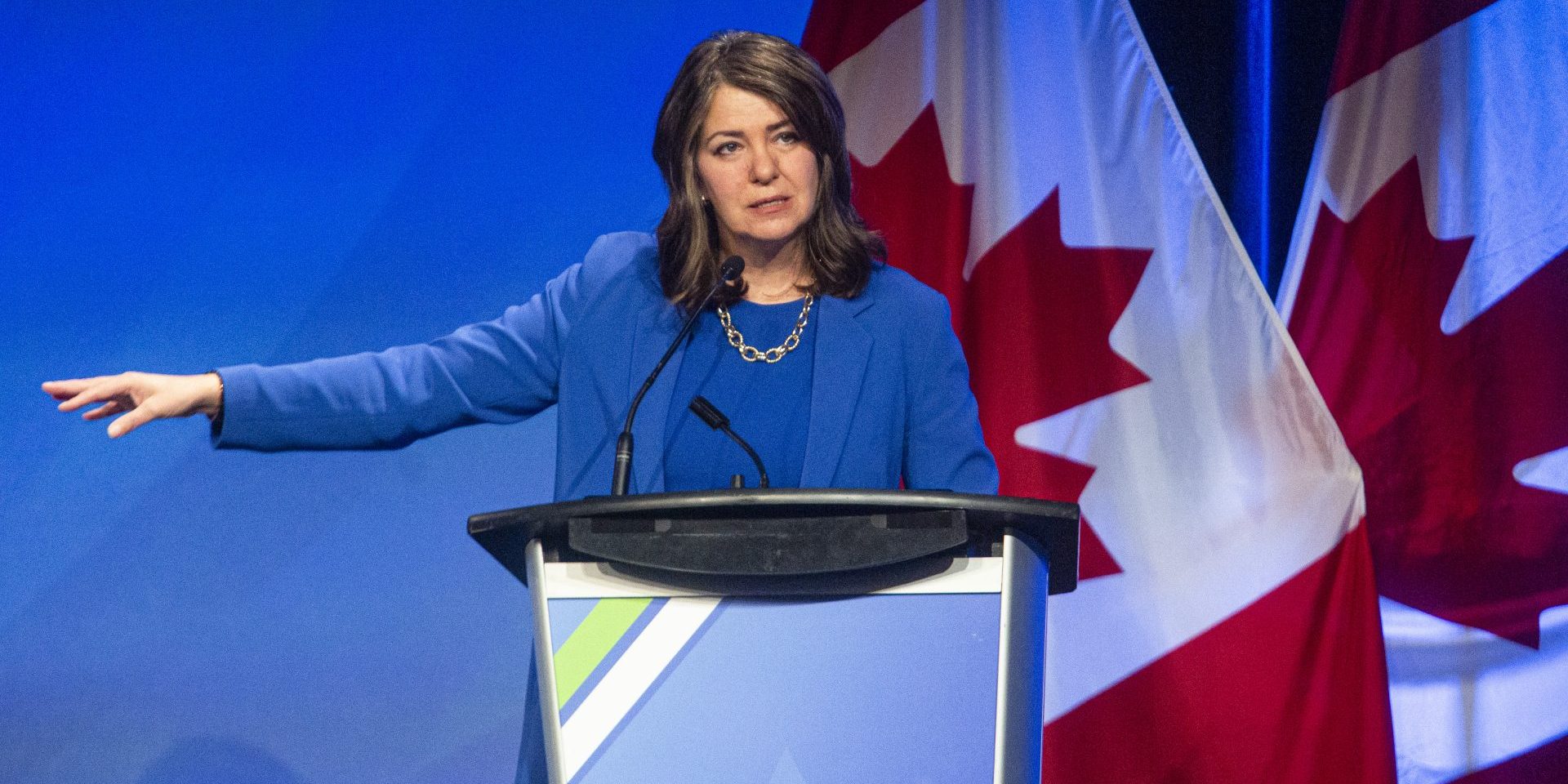
Alberta Premier Danielle Smith made it clear she would see anything but a go-ahead from Ottawa as a powerful accelerant for the smouldering Alberta separatist movement.
If we are going to succeed in the historic task of reinventing our economic culture, it will take hitherto unknown co-operation, compromise, and good-faith bargaining.

The continuation of the broad CUSMA exemption is still a significant positive development for this country in the context of the full-blown trade war the U.S. president is carrying out with the rest of the world.

The Russian leader’s ability to hoodwink the American former reality show host has been a constant element of Trump’s actuality for more than a decade.

For all the effort towards building new overseas trade relationships, the prospects for an outward-focused nation like Canada—where exports account for 34 per cent of GDP—are, at best, uncertain.

This plunge into totalitarian-style histrionics is just a minor manifestation of the upheaval in public norms radiating across the U.S. from Trump’s White House.

The potential for a conduit to load oil tankers in the dangerous waters of the northern B.C. coast actually ended more than three decades ago.

The Conservatives seem to be trying to juggle the need to be constructive during a national crisis, and the belief that they got cheated by threats from the U.S. president.

It’s hard to imagine how the stakes could be higher in the midst of the U.S. president’s economic warfare against most of the other attendees.

The Alberta premier and Conservative leader’s regular excoriations of Ottawa policy never seem to contain a reference to Trans Mountain.

Whatever happens on April 28, Mark Carney will be remembered as the man who stepped up to offer his services to fellow Canadians in this moment of national trauma.

While the former prime minister remains an icon among the Conservative base, his presence may remind voters of what they didn’t like about him in 2015.

The president has brushed off political realities that would have sunk most political actors a hundred times over.

The knock-on effects of tariffs could be well on the way to erasing the Liberals’ advantage in the Trump survival showdown.

It’s beyond troubling that Canada is always being singled out for its supposedly nasty negotiating stance, and alleged unfair trading relationship with Americans.

As relieved as the Canadian contingent was to be engaged in an adult conversation, the March 13 discussion yielded nothing in the way of immediate progress.

U.S. President Donald Trump’s aggressive fixation with this country and his constant denigration of Canadians and our right to exist as a nation are shifting attitudes here with dizzying speed.

Canadians need to grab this moment to redefine our internal and external relations.

Chrystia Freeland’s dramatic move has thrown the ruling Liberals into disarray, and raised new questions about the stability of Trudeau’s minority government.

If nothing else, it has given Prime Minister Justin Trudeau a national mission that resonates with most Canadians.
