

Carney’s Liberals have left a lot to be defined through the undemocratic regulatory process. The plan is to be vague when shoving it down our throats via Parliament.

We are headed further down the golden-brick road to more privacy invasions drawn from giant personal metadata pools by both government and corporate surveillance teams.

The feds would be wrong to think that taking action to address Albertans’ claims they are mistreated by Ottawa would make much, if any, difference among separatists.

Provincial and federal privacy watchdogs say their investigation concluded OpenAI was not compliant with federal and provincial privacy laws. Heritage Minister Marc Miller said ‘AI, like any other platform for that matter, has to respect the privacy of Canadians.’

Privacy protection continues to rate high in public polling. Yet recent legislative moves are violating that trust, and throwing personal data protection out the window.

It would in effect turn the Privacy Act into a data integration act where citizens have less say over use of their personal information.
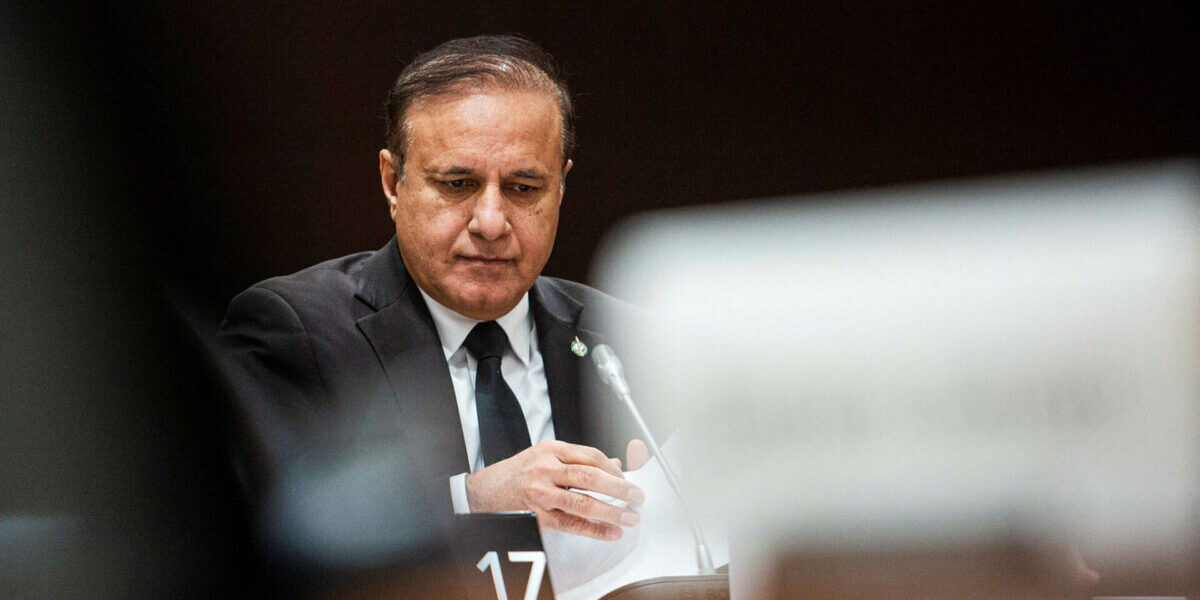
Presented as a ‘security measure,’ Bill C-25 would scrap rules requiring parties to release advance notices for fundraising events and disclose the events’ locations, in what one critic says creates an ‘after-the-fact model of oversight.’

The Liberal, NDP, and Conservative parties say Parliament must assert its jurisdiction over regulating federal parties, as privacy and data advocates urge Senators to pull parts of the ‘privacy-busting bill’ C-4.

Protecting young people from online harms requires smart, targeted legislation that addresses the real risks and holds the right actors accountable.

Canada’s digital ecosystem dependency on U.S. tech giants comes with high, largely invisible costs. Despite the urgency and a pledge in September, the government has yet to fund the development of a ‘Canadian sovereign cloud.’

In beefing up cybersecurity, Bill C-8 ‘does not authorize warrantless access to Canadians’ personal data,’ says Public Safety Minister Gary Anandasangaree.
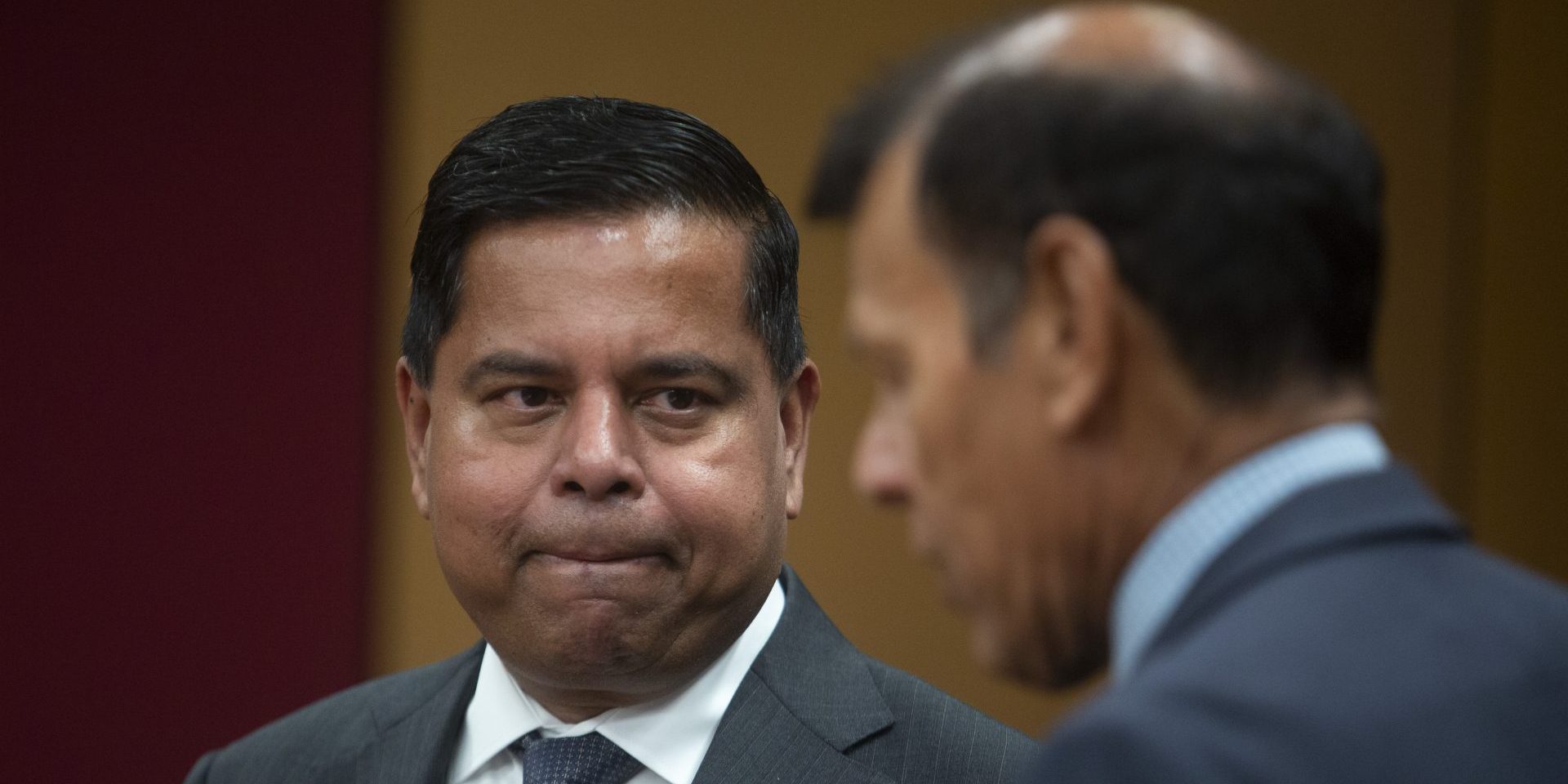
Chief Data Officer Stephen Burt says he recently received a draft of the public service’s first AI registry, representing 400 cases being used across government, from helping Indigenous language preservation to screening air cargo.

Civil liberties groups are urging the need for greater penalties for corporate non-compliance, and for recognition of the human right to privacy in new legislation.

Mark Carney’s Liberal government is ‘showing itself to be the most anti-privacy government in Canada that we’ve seen in decades,’ says UOttawa professor Michael Geist.

Just because the prime minister is in a hurry doesn’t excuse rushing controversial Elections Act changes on the back of needed affordability measures, says Green Leader Elizabeth May.

A section in the proposed legislation says that no provincial or territorial privacy law can ever apply to a federal party. It’s a shocking overreach.

Bill C-5 would come to a final vote on June 20 under the terms of the motion.

This country urgently needs updated privacy laws to protect Canadians and support inclusive and responsible innovation.

The repercussions of data breaches go beyond compromised personal information, bringing also a broader economic impact.

We need modernized privacy laws that advance the public interest, and foster a strong Canadian economy.

Achieving a healthy balance between innovation and regulation is key as Canada continues to pursue more digital transformation initiatives.

As politicians politick over Conservative Leader Pierre Poilievre not having a security clearance, former CSIS director Ward Elcock breaks down the process.

Bill C-70, the Countering Foreign Interference Act, received royal assent on June 20. But the legislation still contains loopholes that allow for secret, foreign interference in nomination contests, political party leadership contests, and elections and policymaking processes, says Democracy Watch’s Duff Conacher.

B.C.’s privacy commissioner says the office will leave its investigation into the political parties’ data practices on pause as the court process continues.

Using voter data for targeted messaging ‘exposes you to a manipulative process rather than a public deliberative process,’ says Andrew Clement, who filed a privacy complaint against federal political parties.
