

In a wide-ranging interview, Lithuanian Economy and Innovation Minister Edvinas Grikšas talks growing trade, work with the EU, the push for diversification, and boosting domestic defence industries.

The war criminal in the Kremlin has already been given a new lease on life from the U.S. president’s disastrous armed foray into the Middle East.

If Canada wants to remain a credible security actor within NATO it must rethink how it builds, scales, and deploys capability.

It would seem that our government understands the depth of the crisis, as do, perhaps, most political parties, but not necessarily the Canadian public.

For Canadians, this latest lesson in the saga is a confirmation that the U.S. president has no limits, and is capable of anything.

Ten of the European Union’s 27 member states have yet to ratify the free trade deal that was inked in 2017.

It’s time to demonstrate to those deploying the ‘might makes right’ approach to geopolitics that the rule of international law can be supported by collective action of middle power democratic states.

The war’s stalemate was inevitable because drones as the dominant new technology make it very dangerous for soldiers to move on the surface at all.

The American president knows nothing about nuclear weapons, and doesn’t care. He is not a man who will put any effort into rebuilding a nuclear arms control agreement.

Without intervention, this year could spell the end of the international rule of law, when ‘might makes right’ becomes the basis of the world order.
Ukraine has proven extremely resilient, and the lessons they’ve learned on the battlefield are incredibly valuable to a rapidly re-arming NATO—if we choose to learn and adapt.
Now more than ever, Canada should encourage private sector investment for Ukraine’s recovery.

Canada’s latest contribution to a Ukraine aid package will once again reward U.S. firms while the Trump administration is trying to force Ukraine to accept Russia’s demands for a ceasefire agreement.
Every month brings another chance for some political, economic, or technological change that alters the current equation, and gives Ukraine a better bargaining position for an eventual ceasefire.

The federal government can act on a number of fronts to help kickstart Canadian companies’ investments in Ukraine.
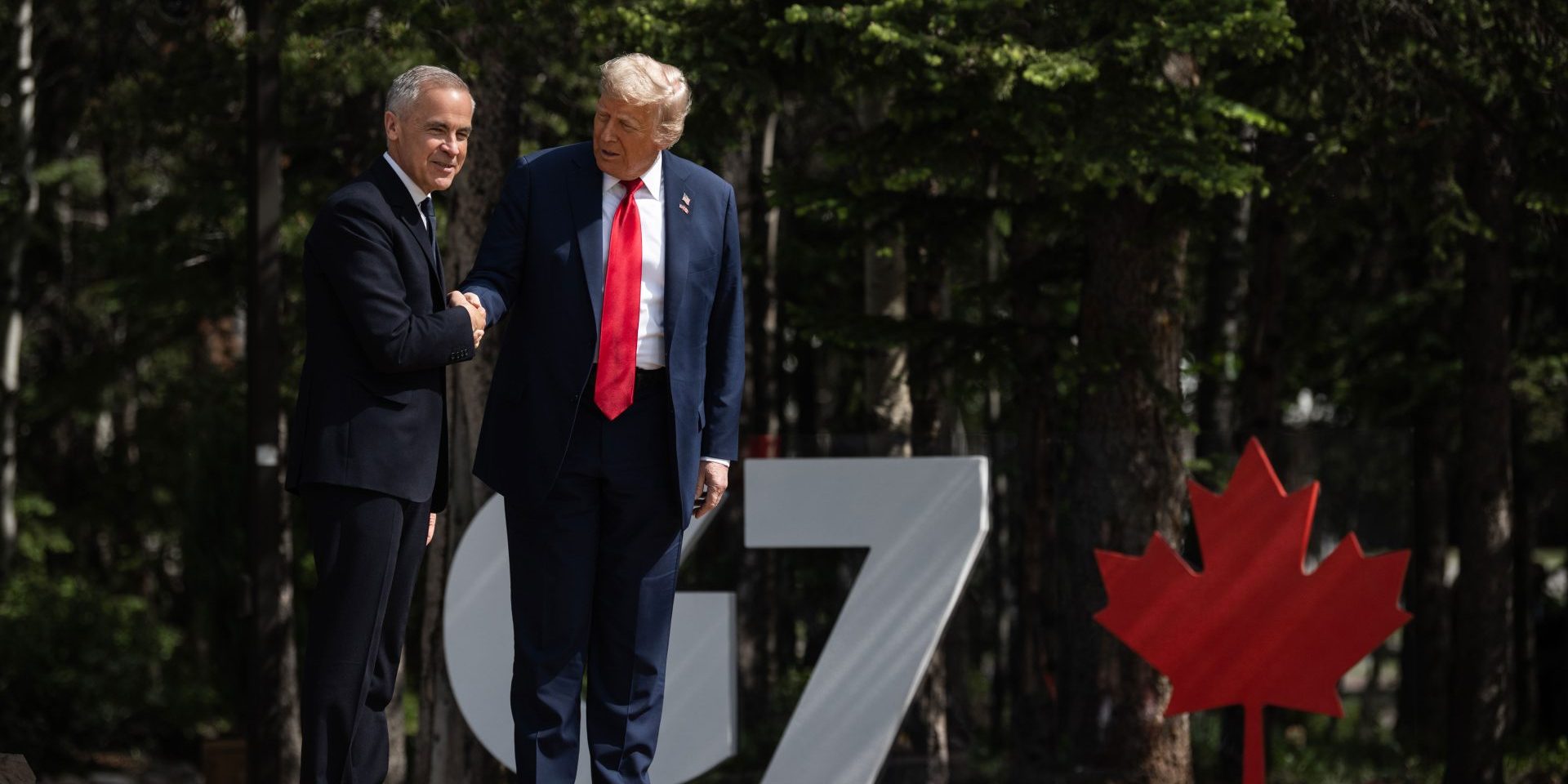
Canada’s G7 presidency was more about convening than setting a thematic agenda, says foreign policy observer Adam Chapnick.
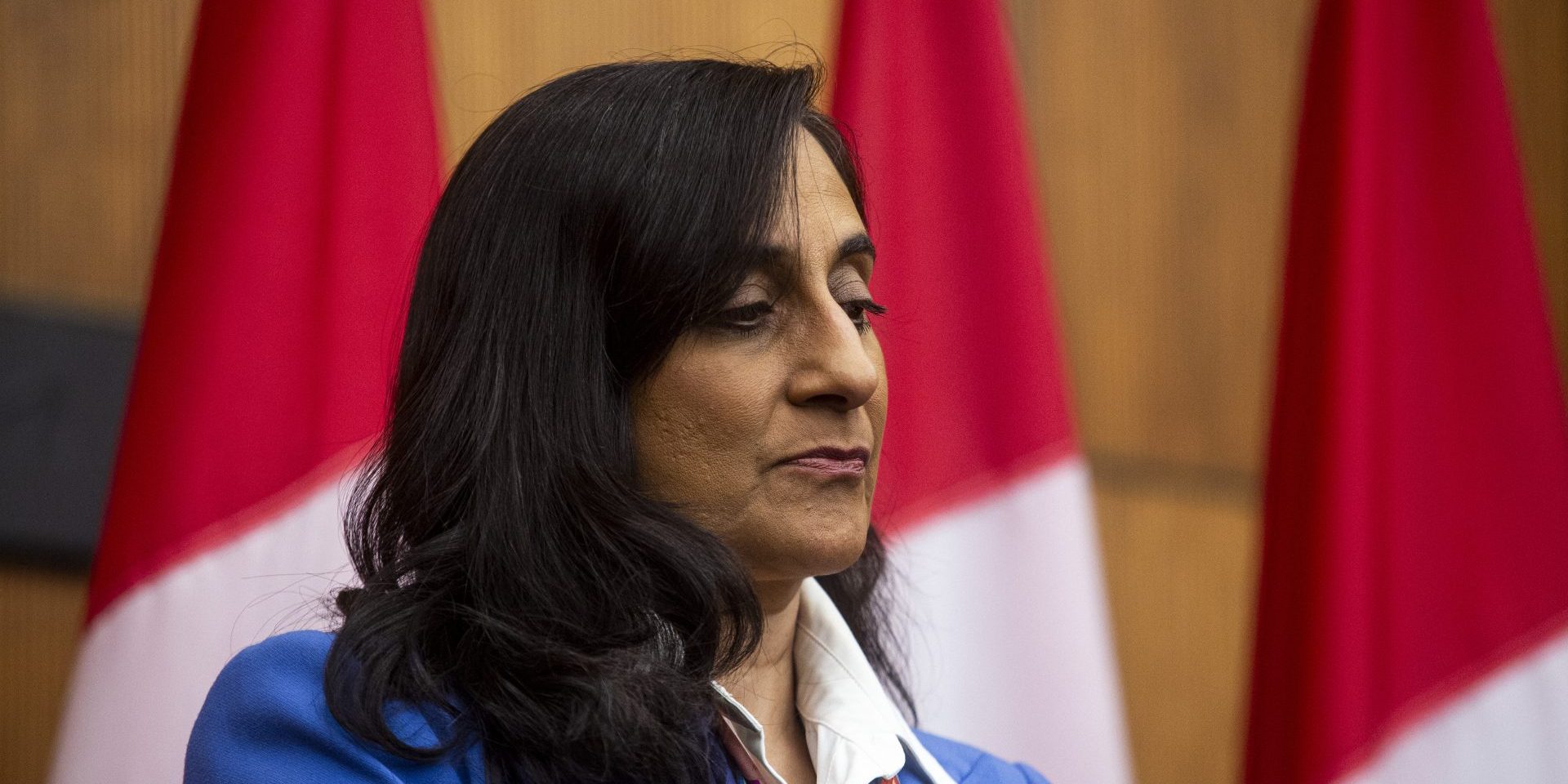
Experts say that Foreign Affairs Minister Anita Anand has erred in proclaiming that it is up to the U.S. to decide if it has violated international law.
The G7 foreign ministers’ joint statement on Ukraine retreads many items that were agreed upon the last time the group met in March.
The federal budget tabled on Nov. 4 proposed cuts of $2.7-billion from Canada’s humanitarian aid envelope.

Foreign Minister Anita Anand has suggested the G7 foreign ministers’ meeting will focus on multilateral geopolitical issues in a departure from the approach taken when her predecessor hosted the gathering in March and keyed in on the Canada-U.S. relationship.
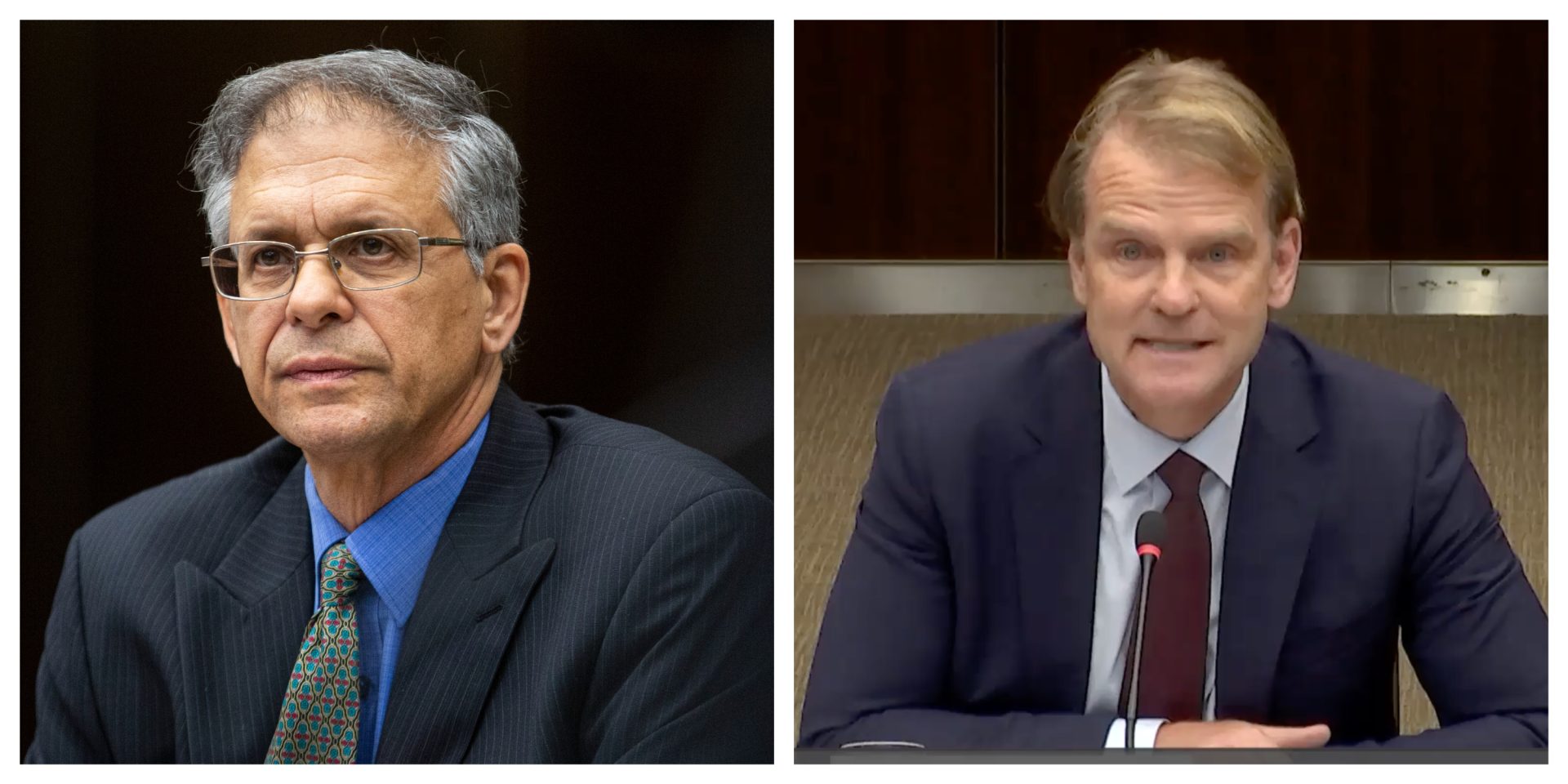
Now that documents used to allege that David Pugliese is a Russian spy have been debunked as forgeries, the Public Safety and National Security Committee must summon Chris Alexander to ascertain who supplied him with the false information.
In a wide-ranging interview, Johannes Winkel talks a renewed Canada-German relationship, Trump shocks, European security, and the future of free trade.
Canada should focus on its own interest: building credibility in defence investment and alliances, and reaching out to our economic partners.
In his Sept. 24 UN General Assembly address, the Ukrainian president gave a stark warning about the collapse of international law.

What is President Vladimir Putin’s motive for this bizarre violation of NATO’s borders—especially given that the drones over Poland were not armed?
