

Both sides of B.C.’s salmon aquaculture dispute are demanding answers from Ottawa about Prime Minister Mark Carney’s commitment to his predecessor’s 2029 open-net pen farming ban.

The Musqueam Nation and Crown-Indigenous Relations Minister Rebecca Alty have both issued statements following the agreements’ signing that the documents do not impact private property rights.

Marine sensing systems, Arctic surveillance infrastructure, autonomous vessels, AI-enabled maritime platforms, and shipbuilding capacity are foundational to Canada’s sovereignty and economic resilience.

The Correctional Service and Fisheries and Oceans are among the five affected, but the Parliamentary Budget Office is now requesting information about how all departments will achieve the projected $60-billion in spending cuts by the end of the decade.
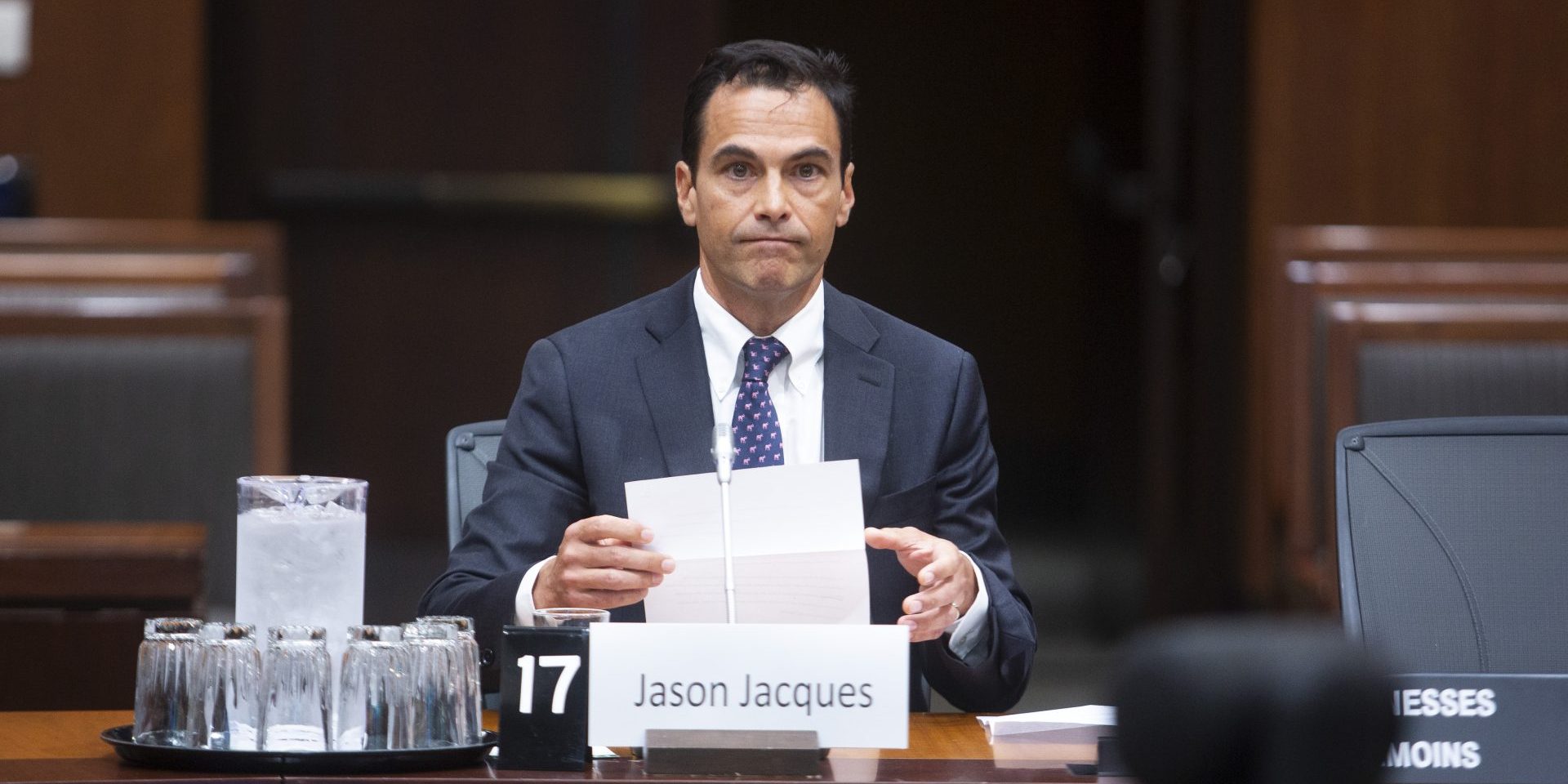
When wild fish populations are abundant, they support employment, export diversification, food security, and stable regional economies.
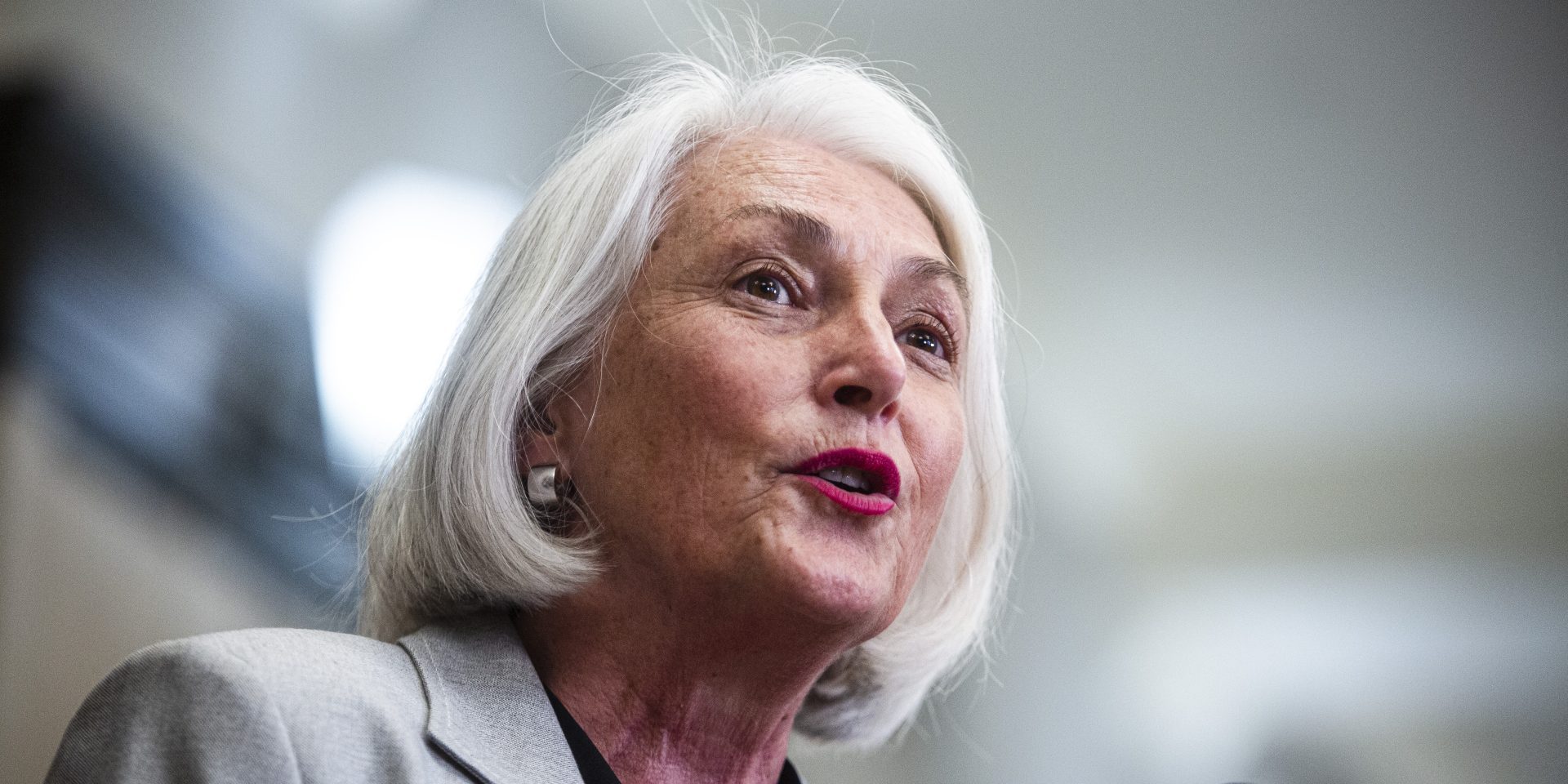
While the government is fast-tracking national projects, it’s ‘reducing DFO’s ability to assess the risks these projects pose to critically important species like salmon,’ says B.C. professor Michael Price.
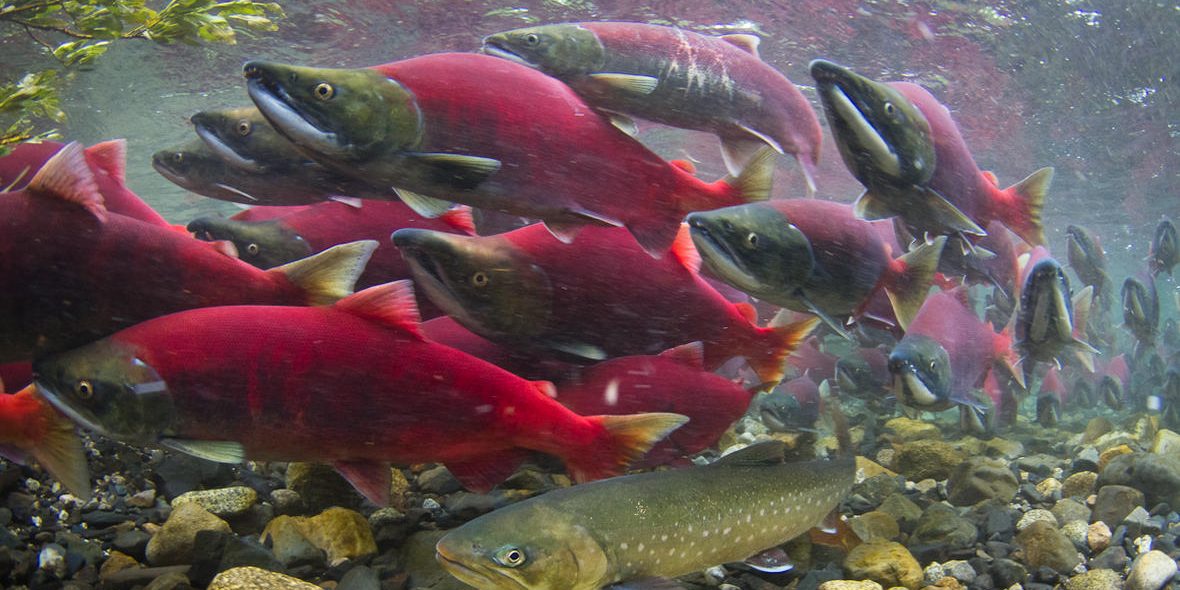
‘This is an unsafe way to proceed, and puts at risk this really delicate, slow recovery’, says Ocean Canada’s Josh Laughren of the Liberal decision to double the northern cod quota.

Competing analyses are providing new ammunition in the debate over the link between sea lice, B.C.’s coastal salmon farms, and the feds’ upcoming 2029 open-net ban.

With a decision from the fisheries minister expected any day now, the global and local realities of northern cod are aligning to create a well-timed economic opportunity.
We are a maritime nation, and it is vital that oceans feature prominently in our nation-building in ways that benefit the entire country.
Oceana Canada’s analysis shows that by applying existing science-based law and policy, the number of healthy fish populations in Canada could rise from 35 per cent to nearly 80 per cent within a decade—delivering long-term stability and economic growth within our lifetime.

Cermaq Canada is alleging former fisheries minister Joyce Murray disregarded the advice of her department and government scientists.
We border three large oceans that are filled with countless species that do not recognize the 200-mile limit between national and international waters. If we want to preserve these places and animals for future generations of Canadians, a high seas treaty is essential.

Despite opposing views on the ban, advocates for the industry and the First Nations who operate salmon farms agree the government’s draft transition plan is lacking.

The principles of the Marshall decisions must be translated into into meaningful policies that respect Indigenous rights, the livelihoods of non-Indigenous fishers, social acceptability, and regional harmony.

More must be done by our federal government to protect working Canadians, middle-class jobs, and maritime culture.
Gerry Byrne, the fisheries minister for Newfoundland and Labrador, says fisheries management is ‘all about politics’ for the federal government.

Plus, Tom Clark testifies for the condo purchase probe.
Newfoundland and Labrador Liberal MPs have proven yet again that they have no interest in standing up for the sustainability of the province’s adjacent resources, enhancing its socio-economic opportunities, or safeguarding its future.

We need to put salmon farm disease in perspective with how we respond to infectious disease in humans.
Indigenous and industry stakeholders say they are still waiting to see the ‘guts’ of the government’s plan to transition to close-containment salmon farms, which it had committed to deliver by July 31.

With two committee studies, an alliance of First Nations and harvester groups calling for owner-operator licensing in B.C., and now a provincial government commitment, conditions are perfect for policy reform on the Pacific Coast.

Now is the time for a transition plan towards watertight regulations that can reverse the possibility of Southern Resident killer whales going extinct this century.

By reopening the commercial fishery, Fisheries and Oceans Canada has given access to industrial offshore trawlers, which have devastating impacts on the health of the resource.

Despite seeking a bigger allowable catch, The Atlantic Groundfish Council respects the minister’s decision to take a small, cautious step to a commercial fishery.