While one Greenpeace campaigner says the legislation grants cabinet ‘unchecked discretion’ to circumvent environmental laws, for CSG Senator Clément Gignac, it’s ‘a very large positive step in the right direction’ for the economy.
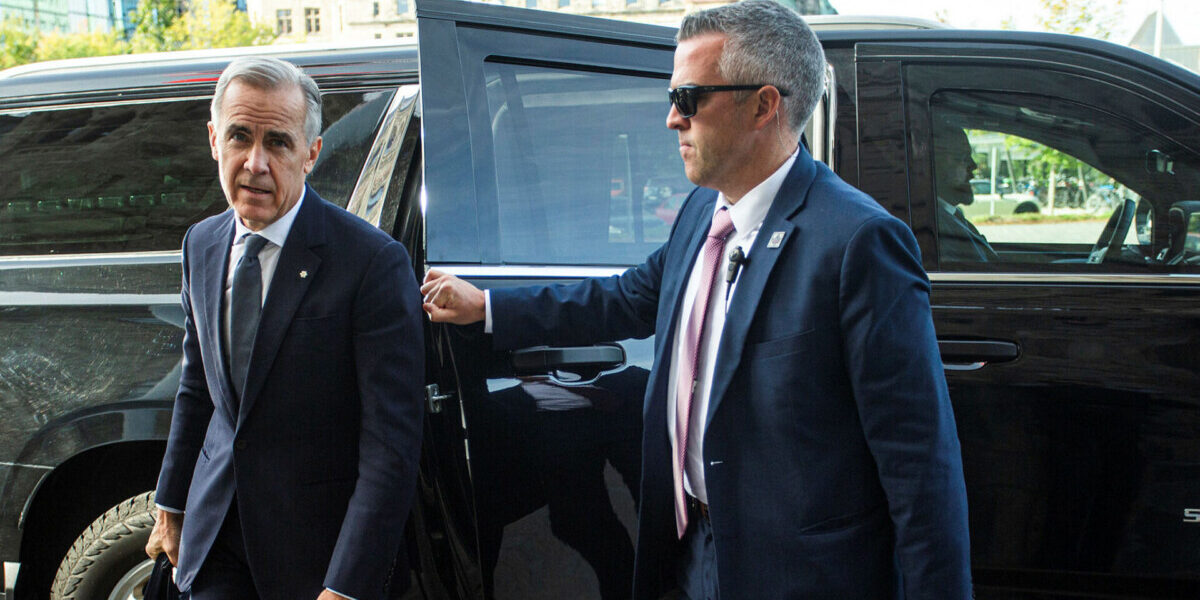
Projects are not just about capital and approvals. They depend on lands, rights, and the people behind the project. Before backing a project, investors should ask whether the work has been done with Nations and within communities, and whether the investment will build growth and lasting value.
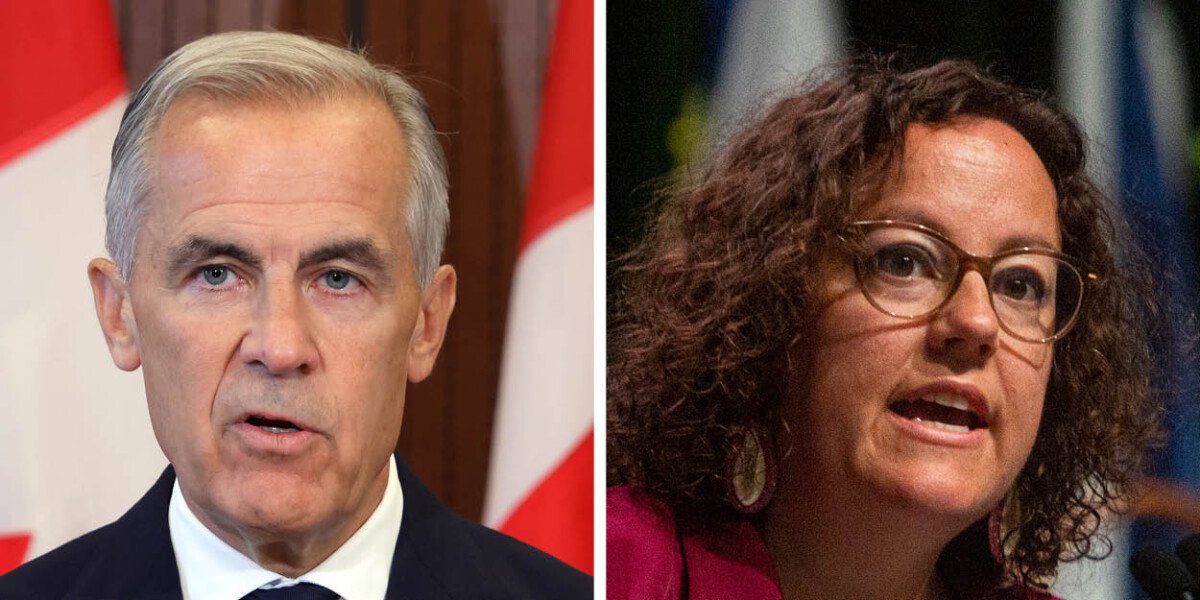
When women are in the room, the decisions made are more responsive, more durable, and more aligned with long‑term economic health.

Worsened access to the U.S. market limits Canadian firms’ ability to scale up and strengthen productivity, making it more difficult to compete in markets around the world.
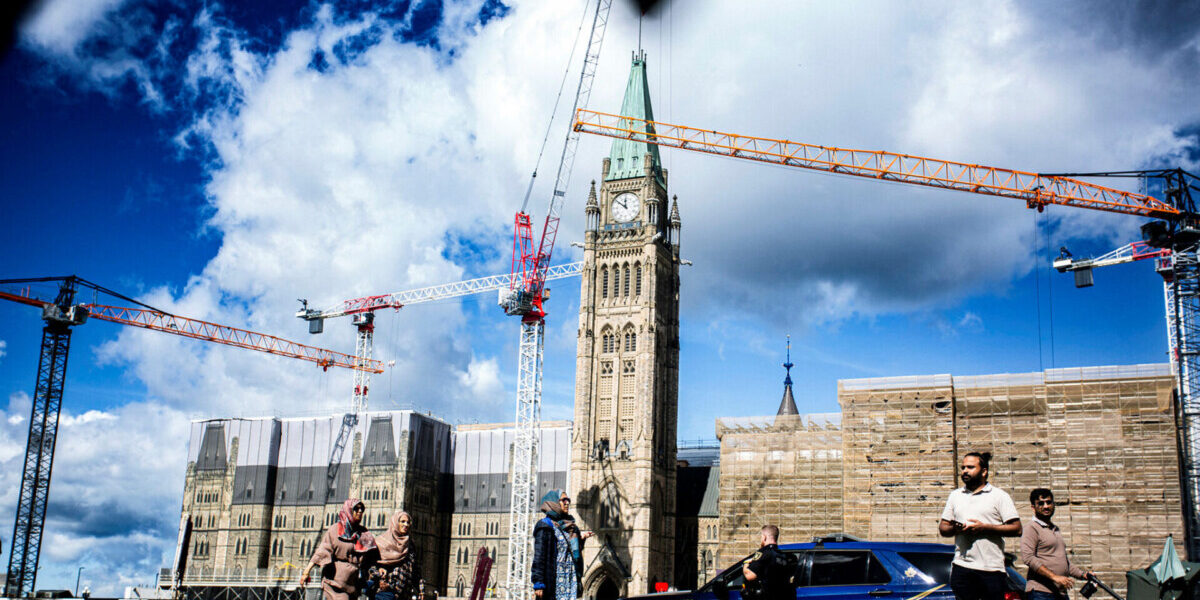
Mark Carney’s Investment Summit was a good idea. It put Canada more squarely on the map for foreign investors who will now be watching to see how we proceed in our ‘Build Canada’ agenda. Consider the summit a first step. Much more must be done. But there is hope.
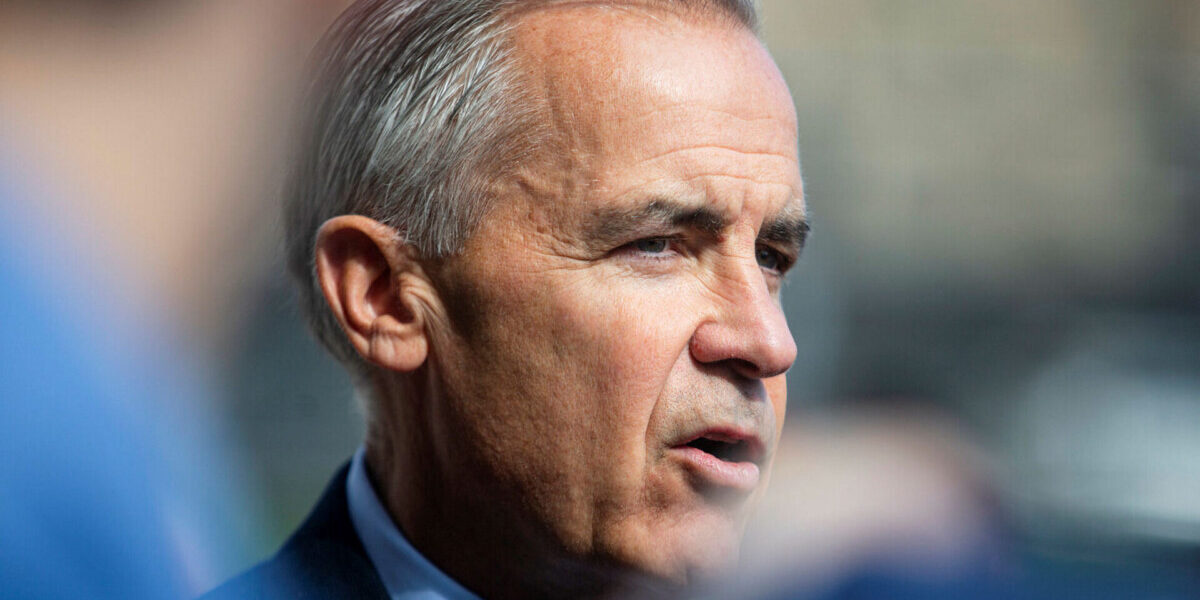
In late August, the eligibility criteria was updated for the Regional Tariff Response Initiative to allow more smaller businesses access federal funding.
While parliamentarians may not always agree, we should avoid allowing partisan or procedural squabbles to overshadow the work at hand.
Too often global investors are confronted by overly complex and time-consuming regulatory processes, which result in prohibitively lengthy approval timelines. Canada’s strongest long-term response to new American tariffs is to become a more competitive place to invest, build, and scale.
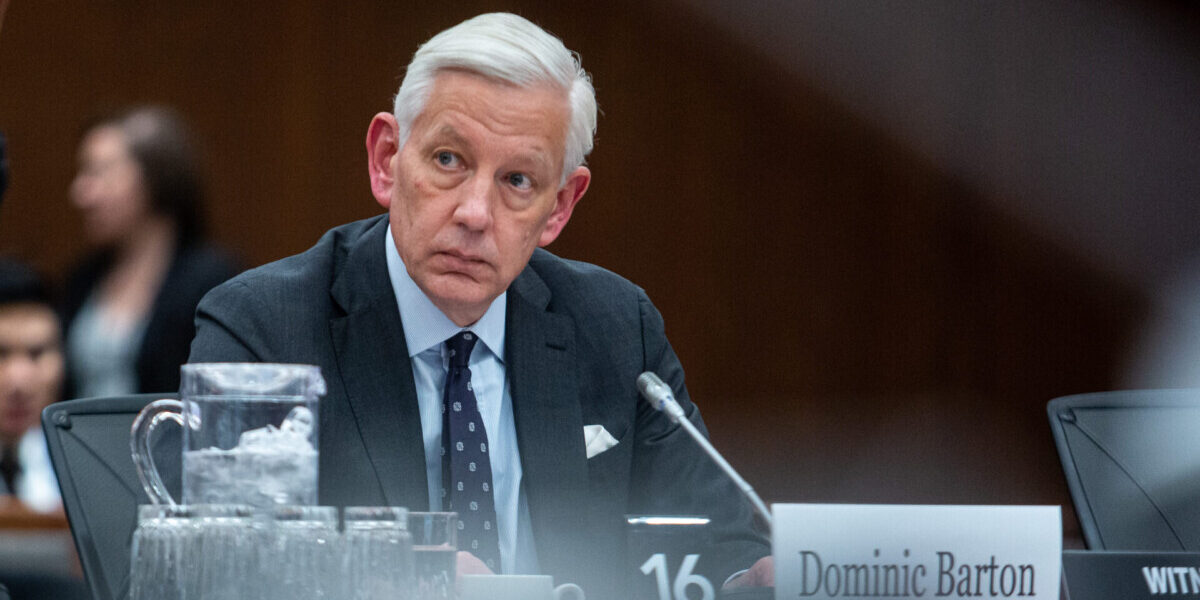
The agency’s 2026-27 departmental plan outlines fewer staff and lower spending even as Ottawa signals a more prominent role under the new leadership of Dominic Barton and Gurinder Grewal.
It is only with the enmity of the American administration that we are now seriously embracing new thinking and pursuing new priorities. We are still very much a work in progress. But there is a reasonable chance we are heading in the right direction. Short-term pain for long-term gain.
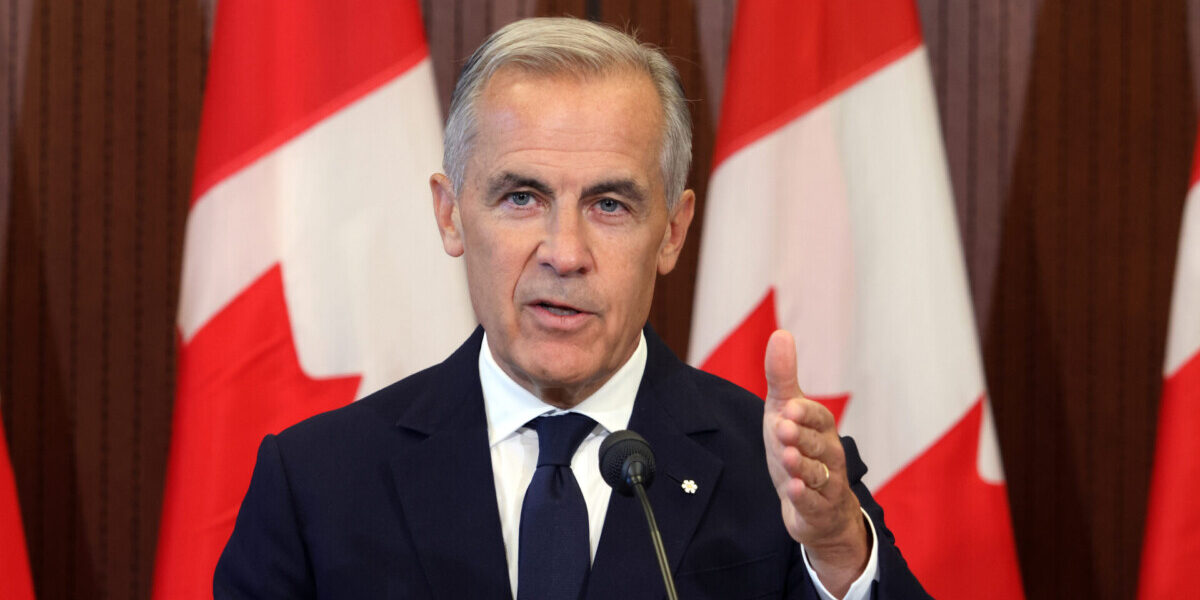
A total import ban by the U.S. on specific Canadian products will take effect on Sept. 29, as a response to Canadian dollar-for-dollar counter tariffs.
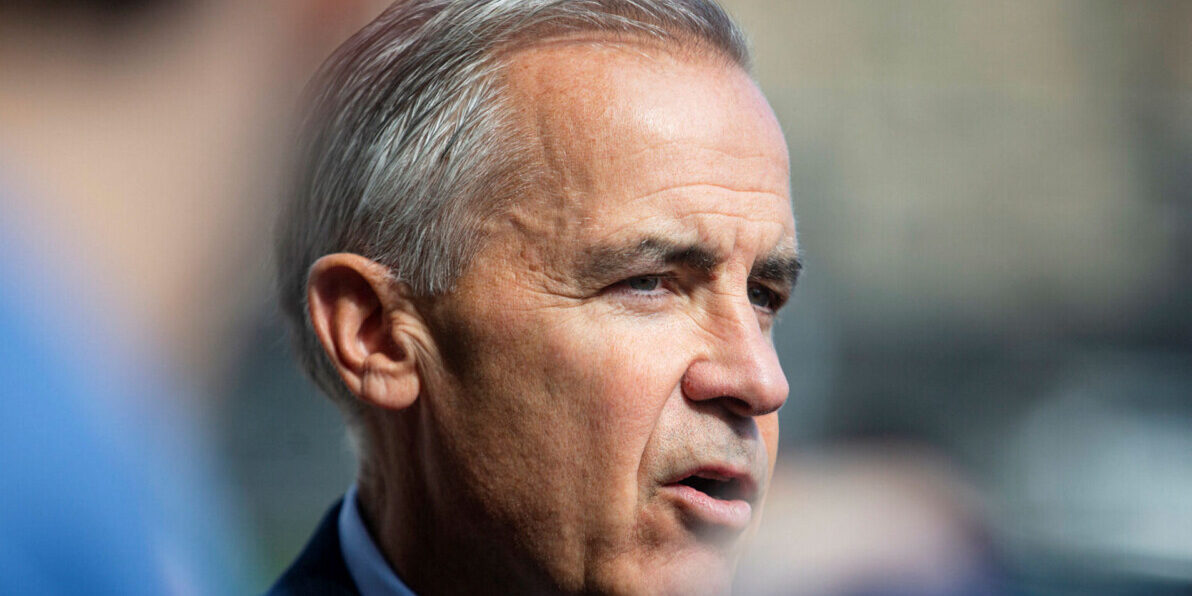
First Nations Procurement Authority’s new CEO Darrin Jamieson says the organization has received $240,000 funding from Indigenous Services Canada ‘to get things rolling to operationalize,’ but the total operating budget will be more than a $1-million.

Making fuller use of women already involved in capital, talent, entrepreneurship, and leadership will strengthen our ability to build the companies, industries, and projects in which Canada is now investing.

Canadians should ask what remains after drawing investor dollars, and what is exchanged: wealth we still own, or a bigger ledger built on corporate subsidies and asset sales?
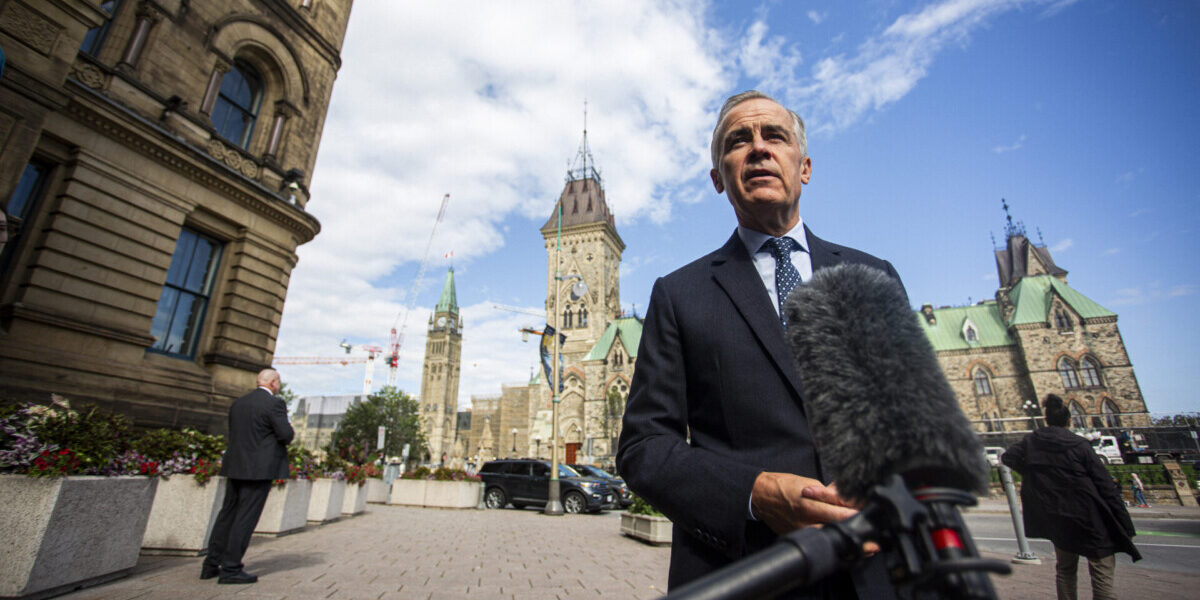
Canada’s current flag-waving is a dramatically novel phenomenon. Trump’s tariff tirade and his talk of this country’s destiny as the 51st state changed everything.

Global investors are coming to Toronto this month for the Canada Investment Summit. The federal government must be ready to show them—and Canadians—the projects, partnerships, and an execution plan that can turn interest into investment.
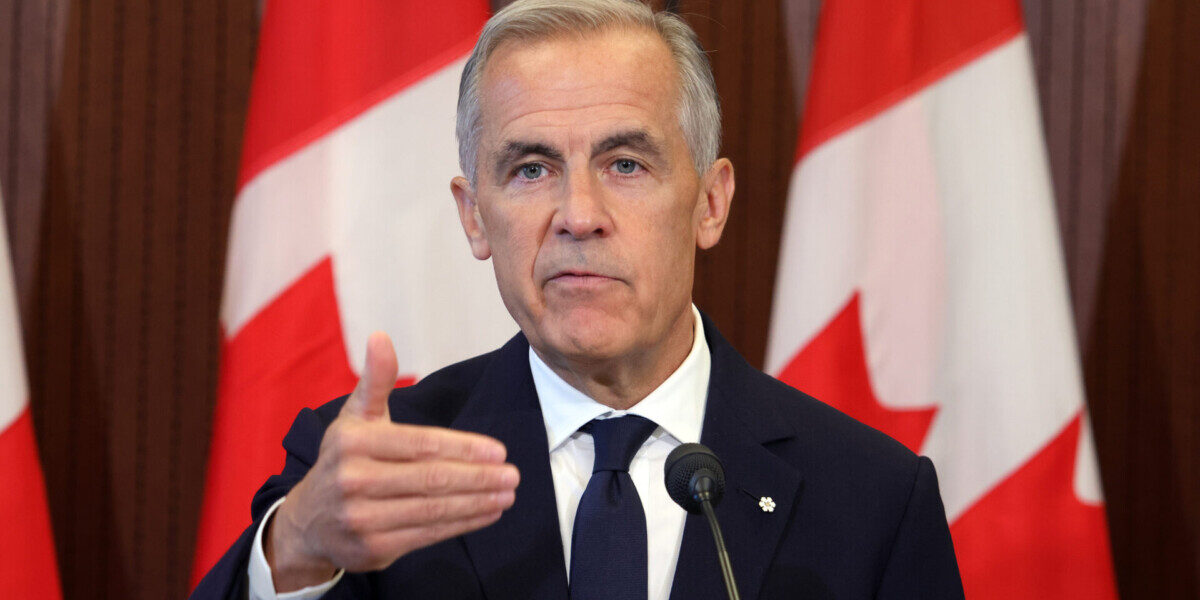
CFIB CEO Dan Kelly says the trade war has triggered memories of the pandemic. ‘There are some parallels here in that it’s a sudden emergency … and nobody’s expecting it’s going to go away in the very short-term.’
Ottawa shouldn’t enable the U.S. president. That includes not being slavish about trade with our southern neighbour.
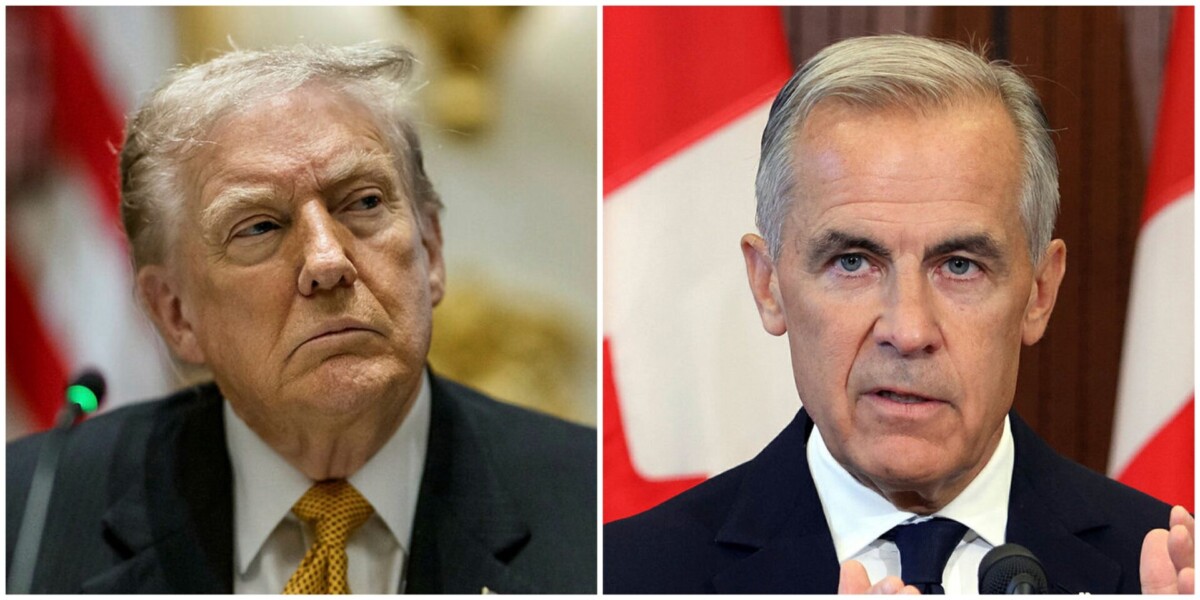
Truly transformational change needs to start taking place in how Canada does business, and with whom. This is the hard work.
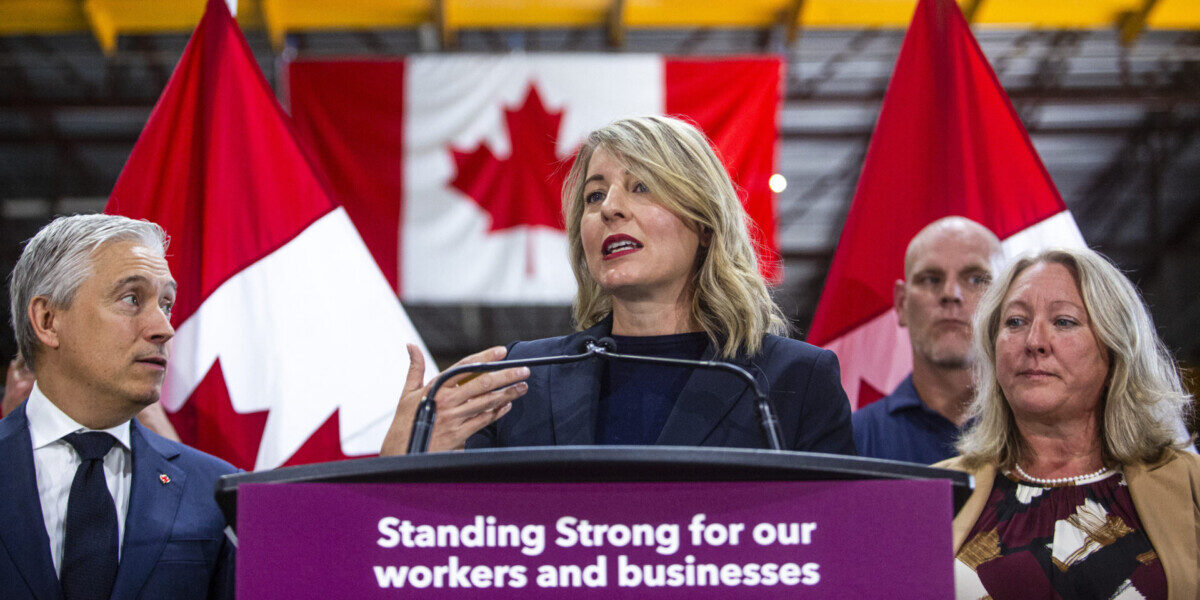
A tariff cannot be stopped by better data, but the ability to securely connect and use reliable and timely information will help Team Canada identify vulnerabilities faster, redirect supply chains, support workers, and find new markets before the next shock becomes a crisis.
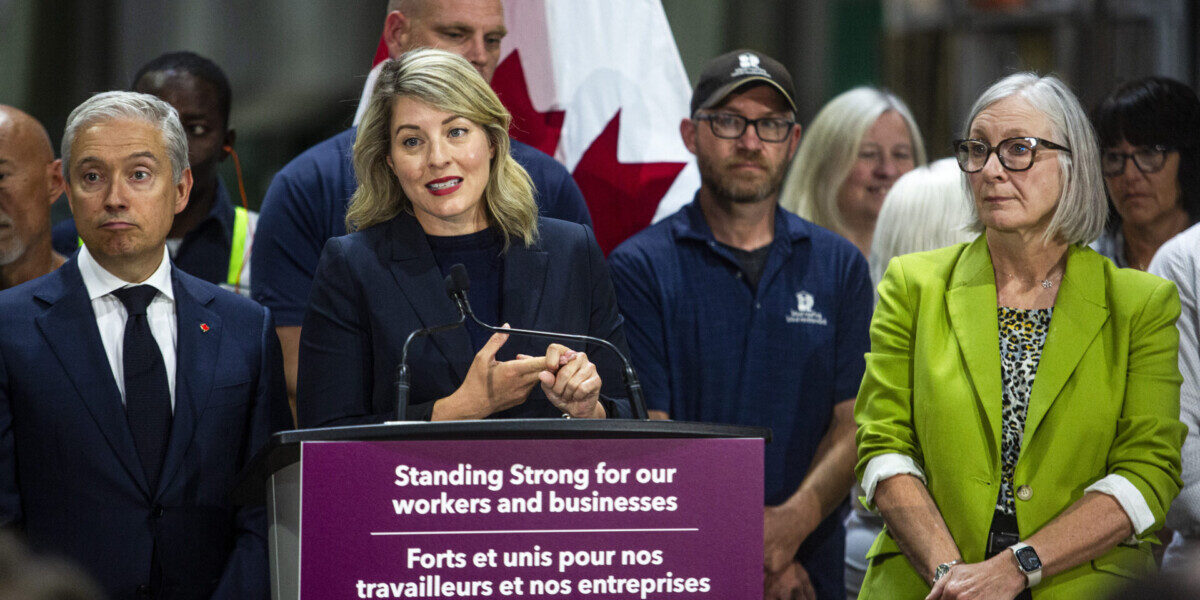
The ongoing trade dispute with the U.S. is an ‘existential threat’ for the Canadian economy, and Prime Minister Mark Carney should consider starting this fall’s parliamentary sitting with a Throne Speech, says former Liberal MP Joe Jordan.
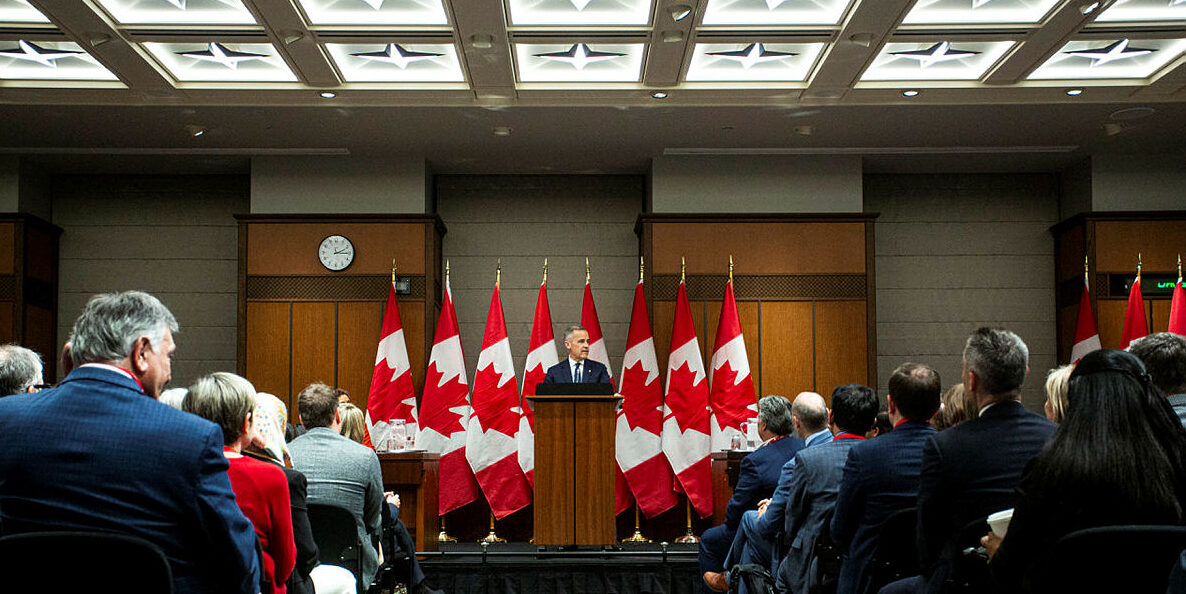
Whether it is building new LNG terminals to serve global energy needs, or a trillion-dollar cross-country electricity grid to power the future, an exciting thing is unfolding. A maturing Canada is standing tall on its own feet.
‘The fact of the matter is that as soon as the economic casualties start piling up, which I think everyone expects that there will be … I think that will pose a risk,’ says pollster Nik Nanos.
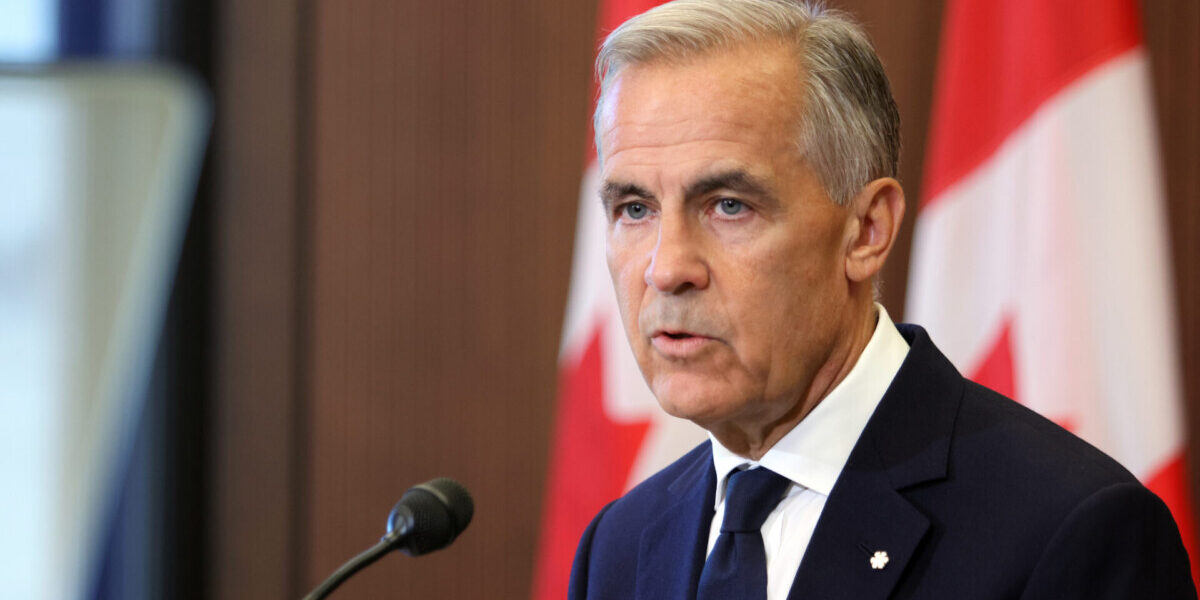
IIt’s time to modernize what constitutes ‘Made in Canada’ by adding “Created in Canada” to our lexicon of labels. Let’s identify Canadian firmss actively strengthening our economy and creating jobs through the entire product development cycle.
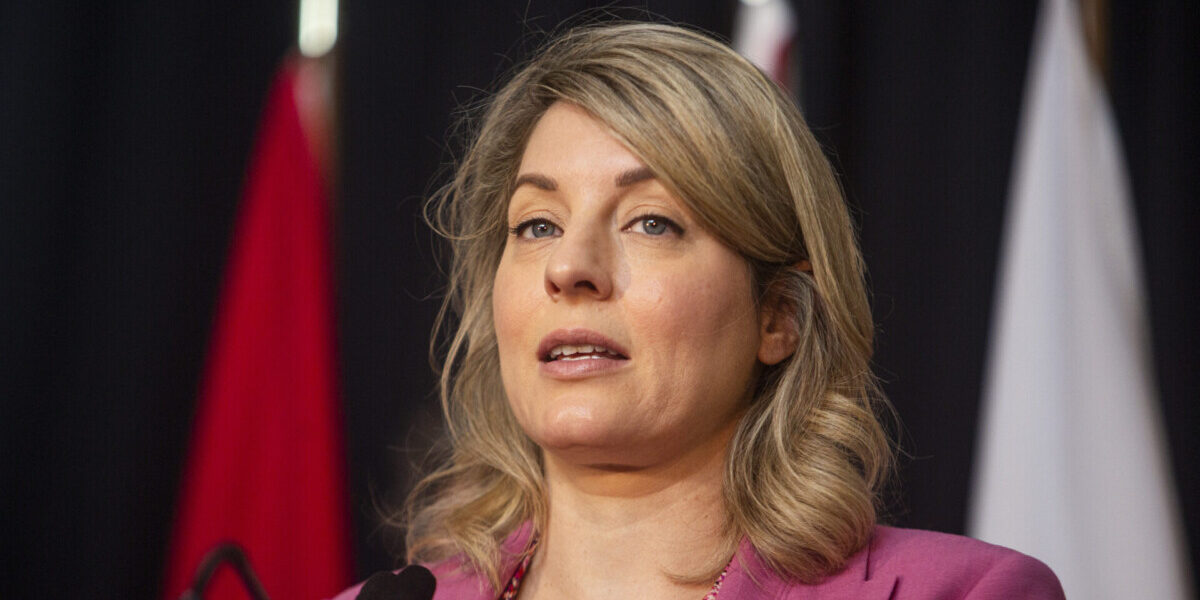
Sovereign wealth funds and pension giants are getting a seat at the table at the September event. Seniors, renters, and Indigenous groups are not.