The expansionary actions of the fossil-fuel industry, governments and private and public-sector investors, in Canada and around the world, amount to ecocide. While not yet technically a crime, their actions are morally unacceptable.

Closer ties with the EU can help us diversify our markets, strengthen our climate policies, and direct capital toward the technologies and infrastructure that will define the next economy.
NDP environment critic Leah Gazan says the feds are ‘trying to legislate away constitutionally protected rights,’ a move she calls ‘insulting to the Canadian public’ who are facing extreme weather events exacerbated by climate change.
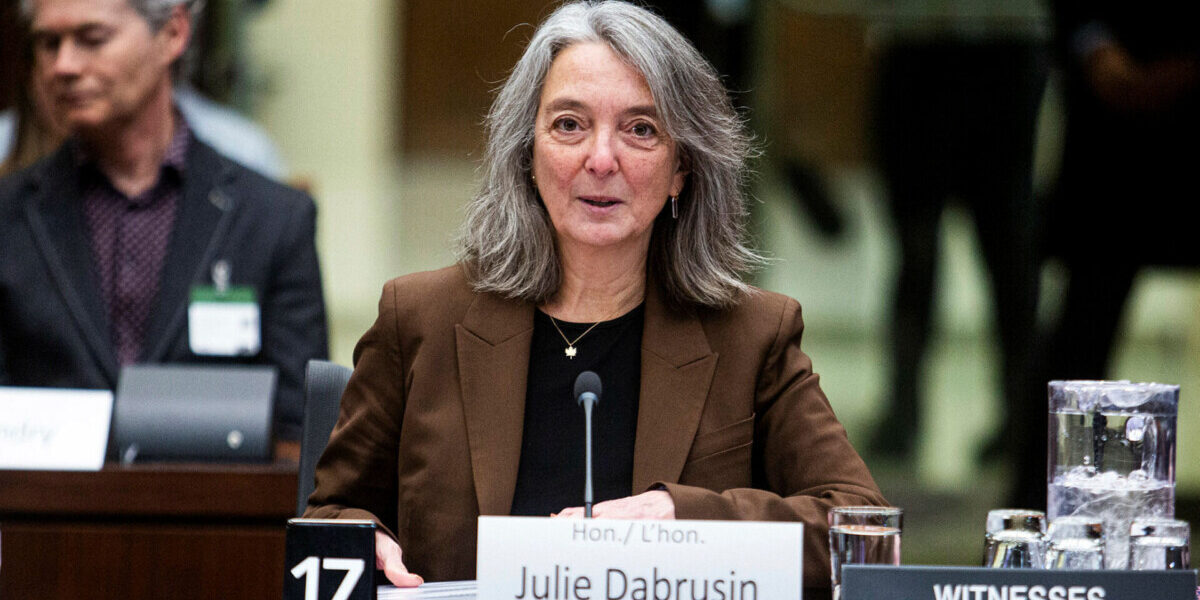
In the public sphere, at least, Julie Dabrusin is the weakest federal environment minister in recent memory; just what the prime minister ordered.
We are trapped on the up escalator, and we need to stop the warming now.
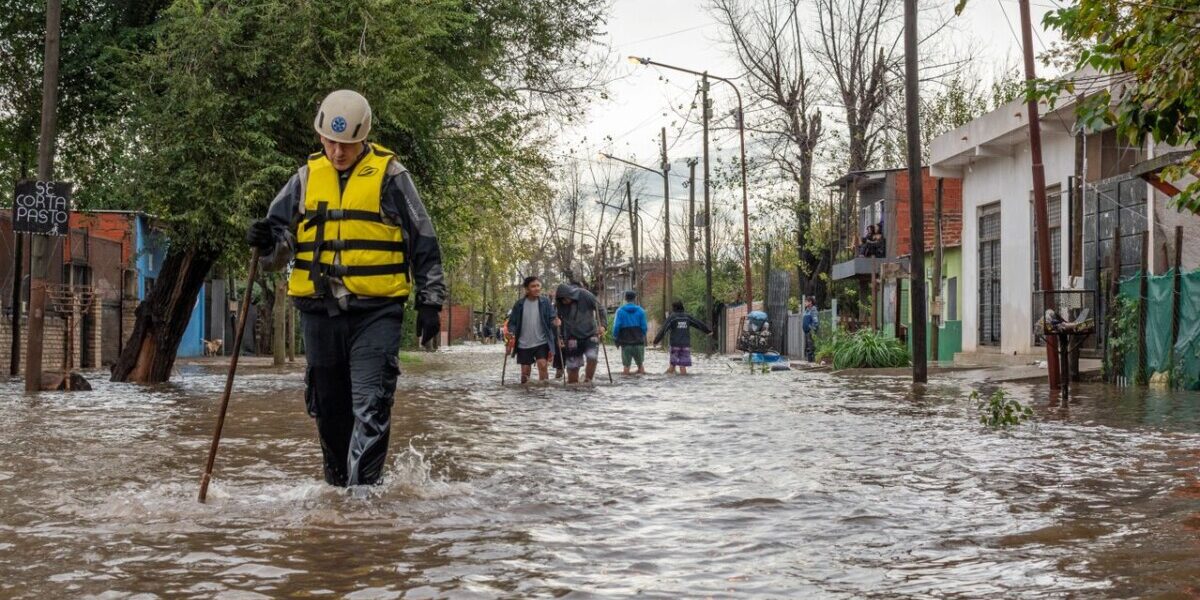
Federal leadership can make Canada’s system more coherent by having groundwater included in policy, legislation, and programs.
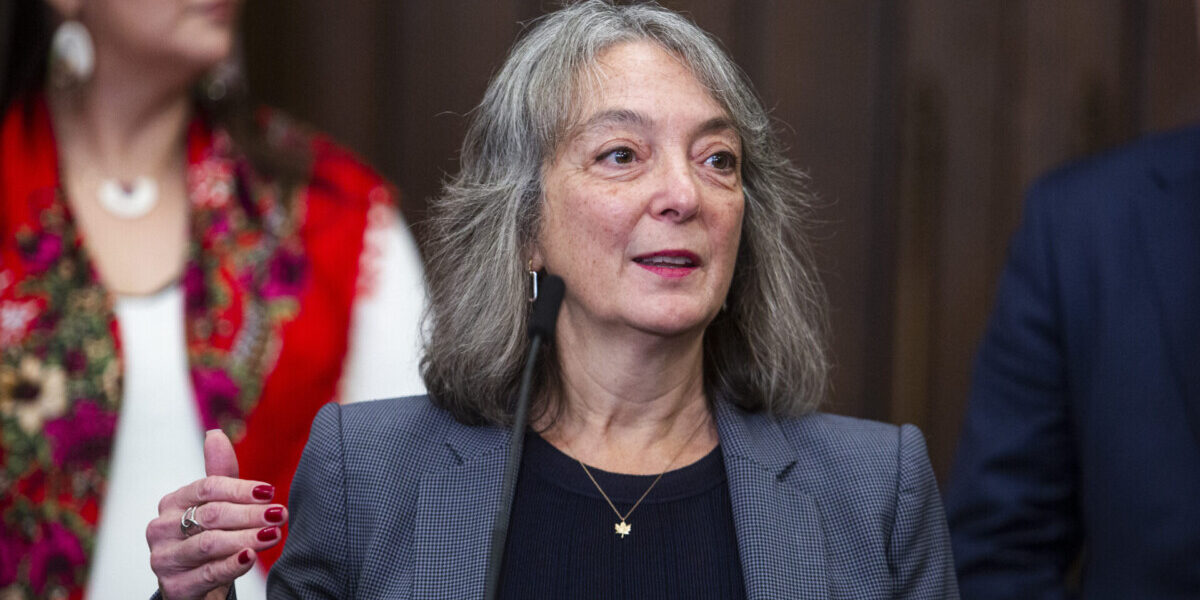
The next federal budget should clearly lay out a clean growth and innovation plan as part of its economic strategy. Otherwise, this government risks betting against the global energy transition or the opportunity for Canada to be a competitive player in the growing clean market.
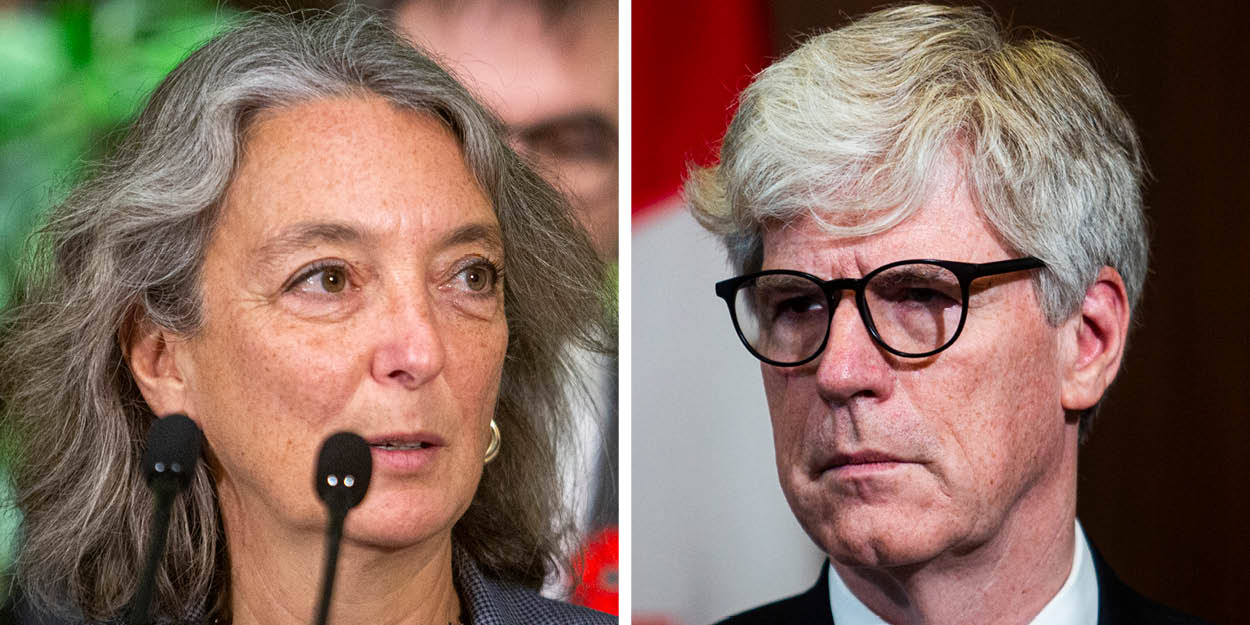
Canada should look to diversify export markets, and also aggressively pursue the energy transition as the U.S. president preaches continued reliance on hemispheric reserves of carbon-intensive fossil fuels.

The National Adaptation Strategy is ‘a long list of virtually all of the things that Canada can do to adapt to climate change,’ says Canadian Climate Institute’s Ryan Ness, who instead calls for a targeted plan.
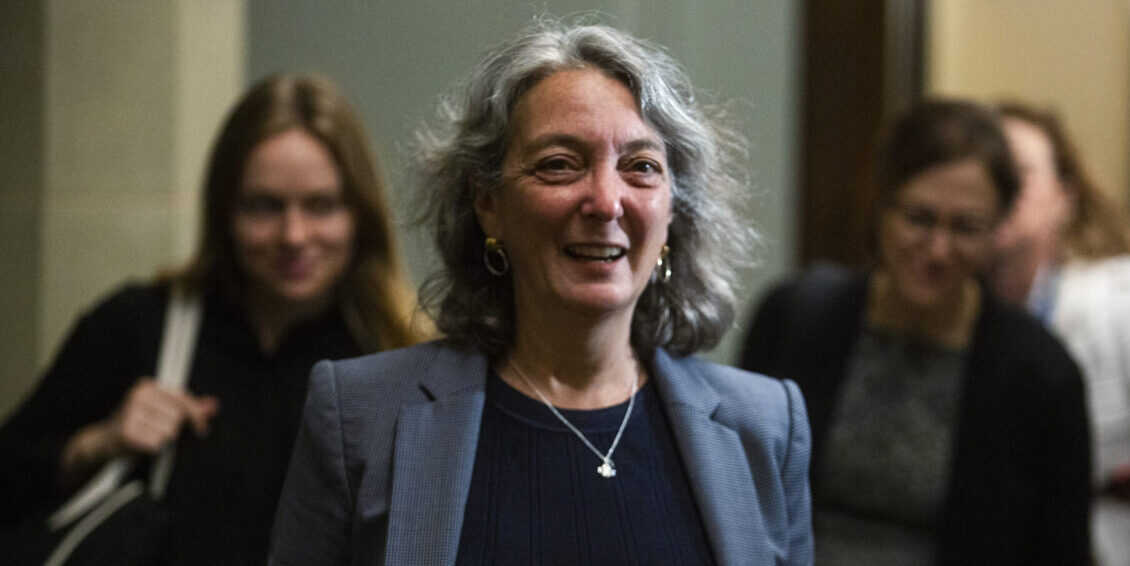
Pollster Frank Graves says although Prime Minister Mark Carney remains popular on economic issues, his lead on the environment is ‘more modest,’ pointing to an NDP uptick in the polls as potential trouble for the Liberals down the line.
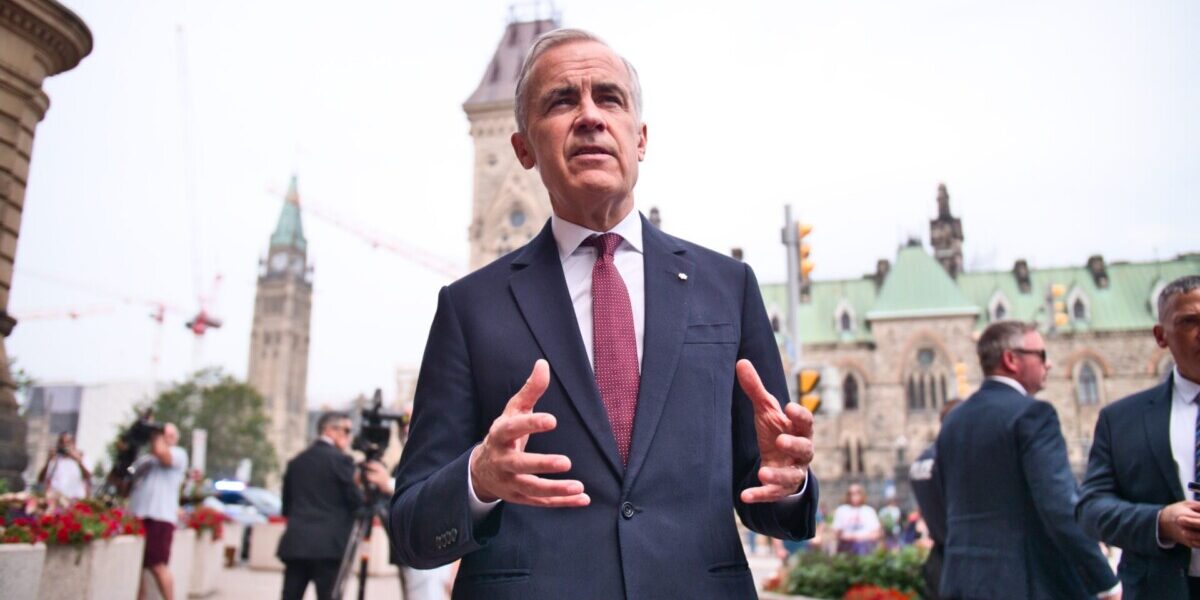
Amid a renewed period of trade disruption, we must make the most of Canada’s resources. Energy efficiency is an abundant resource found within our borders and delivered by Canadian workers.

Josie Sabatino is right that wildfire is now a national interest. But a national interest still needs a national standard, and Canada has not set one.
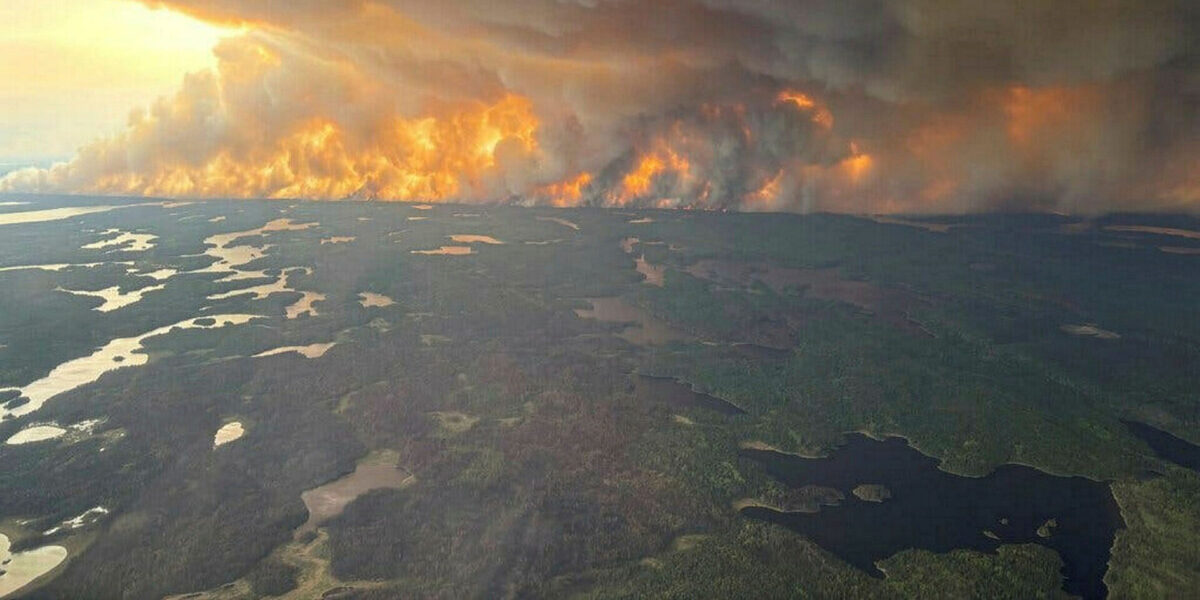
The economies of the developed countries have already been retooled twice since 1945, and alternative energy sources are already taking over. What needs to be done to respond to climate change is probably still achievable.

From 2000 to 2024, oil’s share of energy production in Canada increased by 18.2 points while lower-carbon-emitting natural gas declined as a share of production by 8.9 points and coal fell by 4.7 points.

General anxiety about Trump’s impact on our future has muted criticism of the prime minister’s fossil fuel boosterism. But if Carney’s view is the correct—and only—path to preserving national prosperity in this perilous moment, don’t just parrot oil industry talking points. Prove them.
We already have a ton of expertise. Canadian-built water bomber aircraft are almost ideal for this kind of situation and are in urgent demand all over the world.
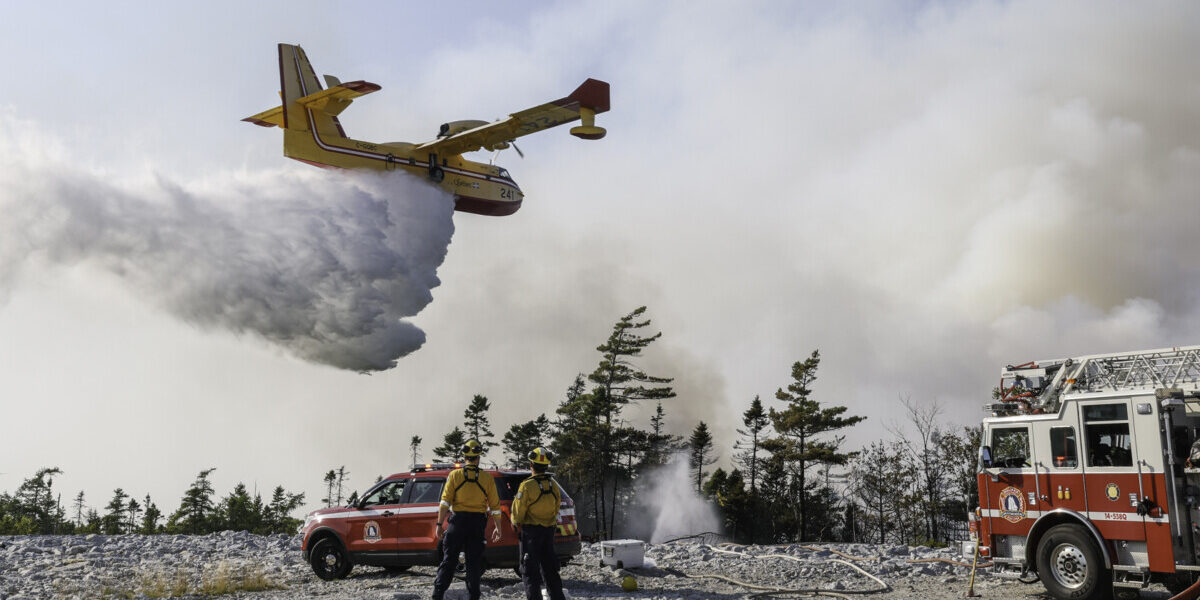
It doesn’t help the soul to have governments pushing big corporate gains over Canadians’ sense of safety. It doesn’t help the spirit to have governments backstop oil and gas instead of clean energy. This is an example of the two-to-four-year political cycle pushing short-term gain to literally our peril.
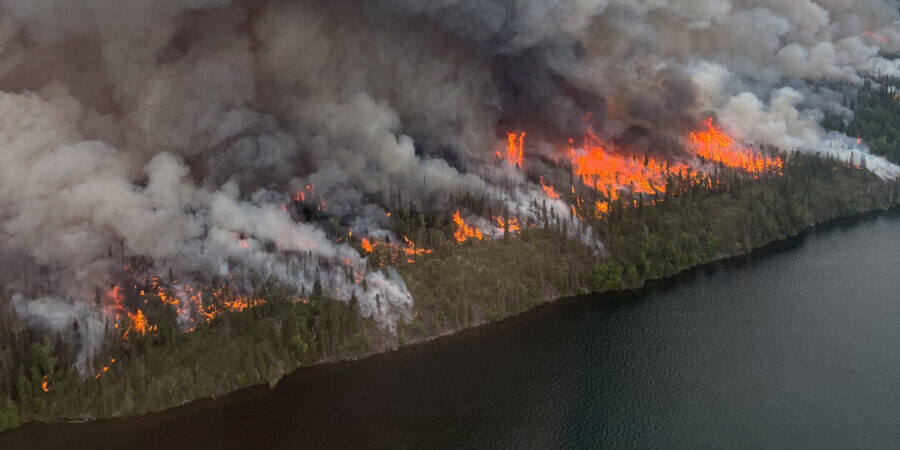
Two federal discussion papers that recently closed for submissions could lead to the extinction of at-risk species and billions of dollars in remediation costs, warn non-profits.

In a supposed democratic system, federal and provincial ministers should be prepared to be held accountable for the damage and deaths that are occurring through their excessive support to the fossil fuel industry.
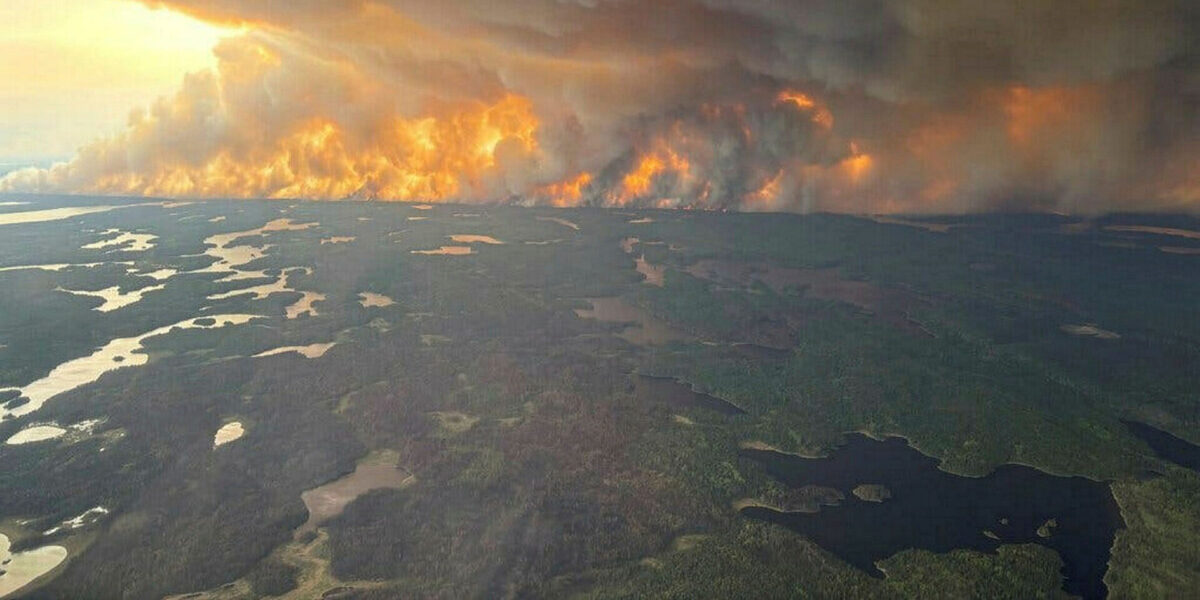
Cutting our carbon dioxide and methane emissions, while it is still vital, cannot act fast enough to slow the warming back down to the old rate. Nor can high-tech solutions like removing greenhouse gases from the air or the sea work fast enough to make much difference: the volumes involved are just too great.

It is a false economy to allow new homes to be built cheaply only to subject residents to costly energy bills, no protection from heat and smoke, and the prospect of no insurance.

In its environmentally backward way, the Ontario government has clearly failed to adjust to the mounting threats of global warming.

If three million visitors a year are expected to tour Parliament Hill, the federal government has a responsibility to tell Canadians where our tax money is being spent and the positive environmental impact we taxpayers are funding.

The SOI Foundation is a truly global venture having students and educators from every corner of the globe experience to better understand first-hand and to learn more about our planet of people, land, climate, water, and ice and their complex interactions.