

This is only the beginning of a long and challenging journey for a new Canada. Success will take much more work.

Increases in federal R&D spending and new initiatives through the Bureau of Research, Engineering and Advanced Leadership in Innovation and Science—BOREALIS—are important. The strategy also promises $4-billion in new venture funding through the Business Development Bank of Canada.

The new strategy is based on a recognition that past processes on defence procurement have been a failure—this time has to be different. Government itself has to become a better and smarter customer.

Our test is to prove him wrong, and not sacrifice the future for the present.

The promised defence industrial strategy offers a significant opportunity to advance Canada’s innovation performance and the high-value jobs that should go with it. The biggest question is how we build the leadership and management skills that are essential for success.

No previous prime minister has spent so much time in meeting world leaders, nor done so much so quickly. Yet spending this time is necessary. Personal connections matter and commitments at the top increase the probability, but don’t guarantee, that results will follow. The next steps will be a crucial.
A new Council of Canadian Academies report underlines that bolder and more ambitious policies for innovation and productivity are needed now, more than ever.
The budget has positive measures, but it fails to provide a credible plan for the future. What is the Carney government’s vision for the future?
We need to truly transform our economy when so much around us is changing so fast. We need an arm’s length council to independently monitor how well we’re doing, what works, and how we can do better.

Canada lacks the capacity for transformative change. If the Nov. 4 budget fails to change that, our nation will be more of a bystander than a participant in the transforming world economy—and we’ll be poorer as a result. We need a new economy.
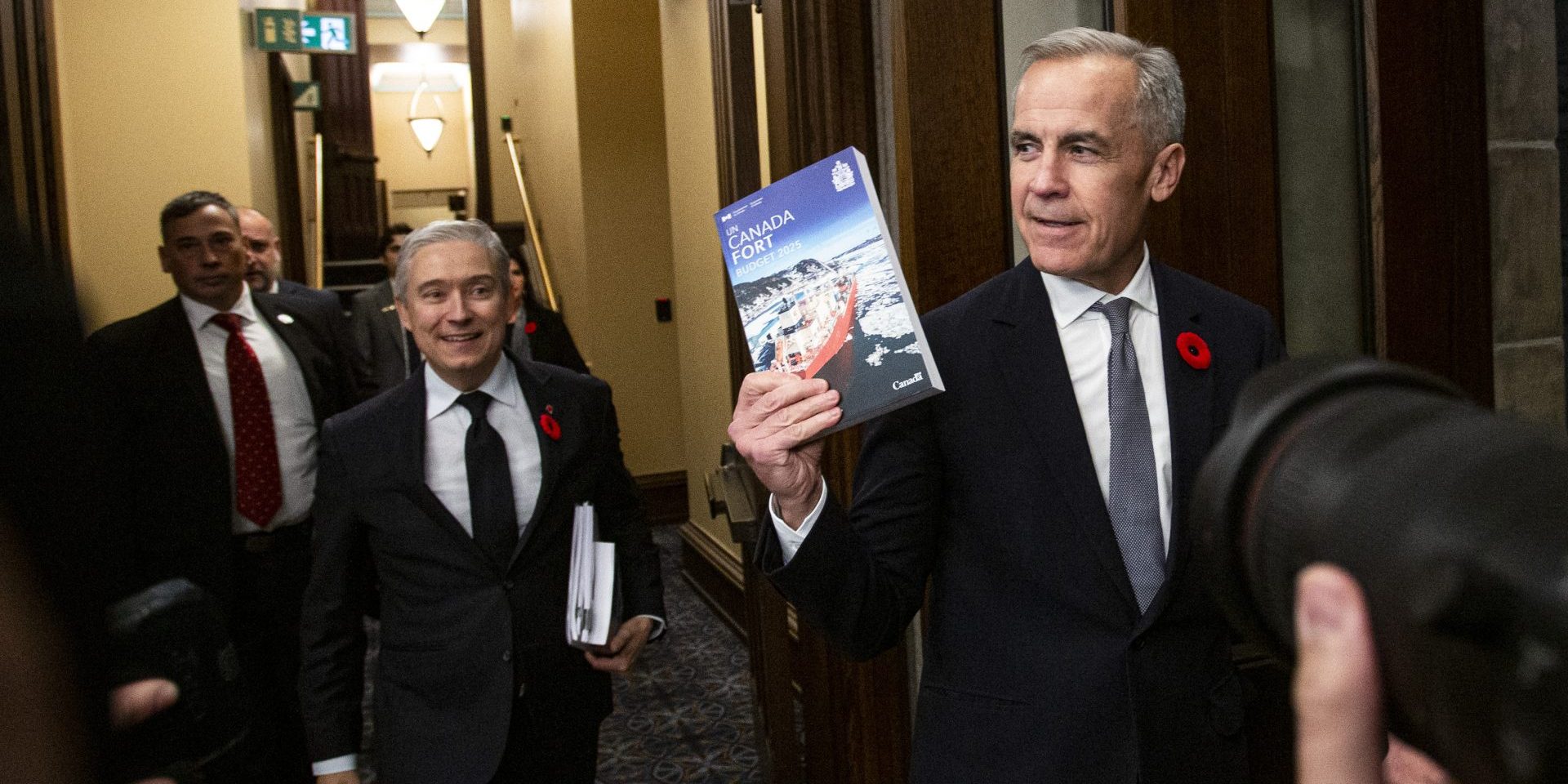
The real test will come with the delivery of Liberal commitments, which makes next month’s budget so important.
Canada’s poor performance on innovation is apparent in the World Intellectual Property Organization’s 2025 Global Innovation Report which ranks our nation in 17th spot, compared to 14th a year earlier.
Meanwhile, we need much greater debate on our choices—and this is where Parliament is derelict in its duty.

Canada faces enormous challenges and disruptive change in transitioning to an economy that can thrive in a world of sweeping change in technologies, markets and sustainability. Responding to these challenges has to be the focus of the next budget.
This is a moment of opportunity. Former Vancouver mayor Gregor Robertson should listen to former Toronto mayor David Crombie. Cities are where things actually get done. And solving the afforable housing crisis is surely something that must be done.

Despite the high-level drum-beating for Port of Churchill possibilities and especially for an LNG plant, an oil pipeline, or a hydrogen plant, none may happen.

The transition required in the months ahead will be disruptive, requiring an unprecedented level of leadership. Without such leadership, it will fail.

Building this capacity to implement innovation possibilities, in partnership with the private sector and our university-based research community, is the urgent pre-condition if we are to avoid another missed opportunity—and more than that, lose the chance we now have to build a sovereign and more prosperous nation.

What basic message are we sending as we condemn the purchase of Chinese-made ferries while profiting from our sale of goods and services to China?

There is much we can do to advance nation building, but the choices must be transparent and Canadians must feel that the projects chosen and money spent will clearly deliver the very best outcomes for the country. We want and need winners, not lemons.

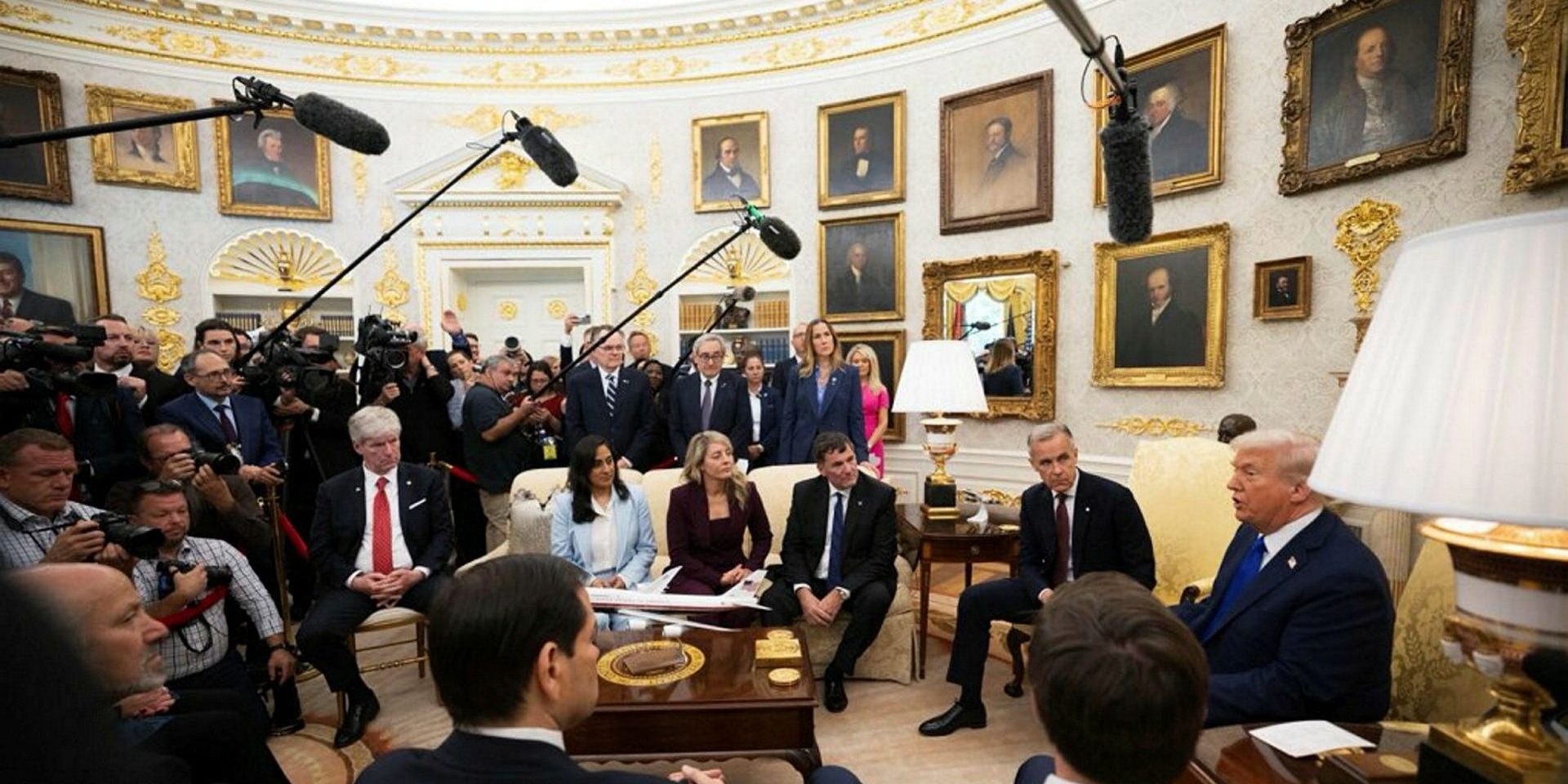
Despite our efforts to build a more independent economy, we are still going to need some kind of agreement with the U.S., a market which accounts for about 75 per cent of our trade.

It’s unlikely that Carney and his new cabinet will have much time for summer holidays if they are to deliver a more resilient and more productive and innovative economy for a better future.

Canada must become a global digital superpower. This is the future and we must be part of that future.

Instead, we should focus on a nation-building strategy to transform our economy, identifying and pursuing our best chances for a post-Trump world.

At a time when global co-operation is urgently needed, we are living in a mercantilist or zero-sum world.
