
To truly strengthen Canada’s north, the Federal government needs to invest in children
Sponsored Content By Connected North
By Jennifer Corriero
In remote communities across the North of Canada, learning opportunities and outcomes still depend far too much on geography. Children will be the ones who pay the biggest price for this lack of access to opportunities unless we stand together in support of a brighter future for all. As leaders look to strengthen Canada’s Northern regions, a strong, serious investment in the future of our students and schools must be part of that strategy to secure a hopeful, healthy society.
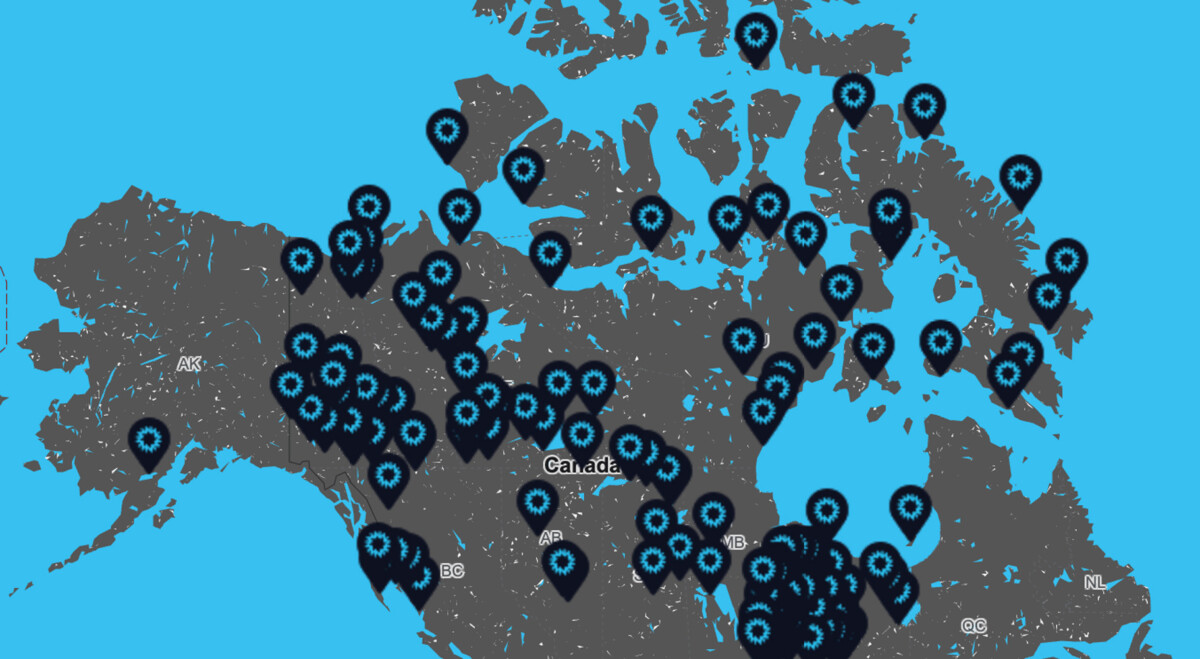
That is where programs like Connected North come in. First established in 2013, our program now supports more than 220 K-12 schools in northern communities across Canada. Connected North provides live, interactive learning sessions with our partner network of 500 content providers that are aligned with provincial and territorial curricula. More than half of these guest speakers are First Nations, Inuit and/or Métis, and offer virtual field trips across diverse geographies. The program focuses on reaching some of the hardest-to-reach students in Canada and brings learning modules on subjects from beadwork to entrepreneurship straight into the classroom, based on community requests, no matter where the school is located.
Whether you’re learning in Old Crow, Marten Falls, Haida Gwaii or Pond Inlet, we need to bring learning opportunities directly into the classroom without requiring students to leave their community. When students are asked to leave their communities to access programming, the barriers become real very quickly. We need to bring relevant learning opportunities to them.
The outcomes are visible in both engagement and long-term impact. When students have access to these types of live virtual programming, they participate more actively and feel more connected to what they are learning. Teachers gain expanded opportunities to support classroom success and student motivation. Children and youth begin to imagine broader futures for themselves, rooted in both opportunity and belonging. That is exactly what education can help to achieve with strong community partnerships and networks.
This is also about more than education alone. It is about long-term community resilience and economic strength. Northern regions across Canada continue to face labour shortages, demographic pressures, and uneven access to opportunity. Supporting young people early, exposing them to new subjects, and keeping them engaged in learning is part of building stronger communities over time. Education is one of the clearest upstream investments Canada can make.
Ontario and Nunavut’s early investments in Connected North showed real foresight. They demonstrated that Canadian innovation can deliver results when it is designed with remote realities in mind. It also showed that we do not always need to import solutions from elsewhere. Canada has the capacity to build models that work for Canadian communities. The question now is whether we choose to scale up the programs that have already proven to be effective.
As Ottawa looks ahead to their budget in 2026 and the major projects they have planned, it’s clear that Canada’s North is going through a period of profound change. Prime Minister Mark Carney recently announced a comprehensive plan to defend, build, and transform Canada’s Northern and Arctic region, backed by more than $40 billion in investments in infrastructure, defence, and economic development. But is Canada prepared to match major economic ambitions with equally serious investments in the next generation?
Students in remote communities cannot remain an afterthought in national planning, especially where specialized skills and business acumen are needed to pull off these major projects. If the federal government is serious about productivity, workforce readiness, and inclusive growth, then proven education models that deliver outcomes in the hardest-to-reach communities should be part of the solution. This is the kind of investment that strengthens Canada for decades, not just for the next fiscal year.
The Government of Canada has a real opportunity to invest in what is already working and make a serious investment in the Canadian organizations with established community partnerships and school boards that are delivering proven results for kids in northern and arctic communities.
Canada does not need to reinvent the wheel. Programs like Connected North have already been delivering for over a decade, and the evidence is clear. The question now is whether we choose to scale success in a serious way and give every student the opportunity they deserve, no matter where they live.

 © 2026 Hill Times Publishing